

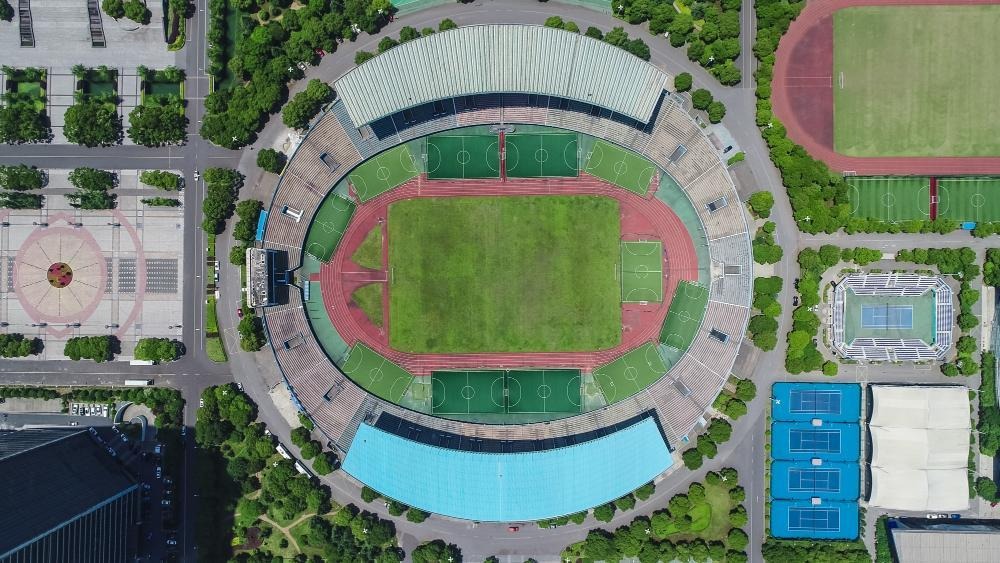

Sports venues are rapidly evolving into intelligent environments where technology enhances every aspect of operations, security, and visitor engagement. The growing role of stadium technology providers is helping venue owners integrate advanced digital solutions that improve efficiency, strengthen safety measures, and create memorable experiences for athletes, spectators, and event organizers.
From connected infrastructure to data-driven decision-making, smart technologies are redefining how stadiums are designed and managed. These innovations are enabling sports facilities to become more sustainable, adaptable, and better equipped to meet the increasing expectations of modern sporting events while supporting long-term infrastructure development.
The Shift Towards Smart Stadium Ecosystems
Traditional sports venues were primarily designed to accommodate spectators and host competitions. While functionality remained the primary focus, technology was often limited to basic communication and security systems.
Modern stadiums have evolved into connected ecosystems where digital platforms, automation, and intelligent infrastructure work together seamlessly. This transformation allows venue operators to improve operational efficiency, streamline maintenance, and deliver a more engaging experience for everyone attending an event.
Why Intelligent Technologies Are Reshaping Sports Venues
The growing complexity of sports facilities has made intelligent technologies an essential part of stadium management. Operators are expected to manage thousands of visitors while maintaining high standards of safety, comfort, and operational performance.
Advanced digital systems help achieve these objectives by providing real-time information, automating repetitive processes, and supporting faster decision-making. As a result, sports venues can respond more effectively to changing operational demands while delivering reliable and consistent services.
Digital Innovation Driving Infrastructure Development
Technology is influencing every stage of stadium development, from planning and construction to daily operations and long-term maintenance. Intelligent infrastructure enables venue managers to monitor systems continuously and optimize resource utilization.
Many stadium technology providers are introducing integrated platforms that combine security, facility management, communication, and analytics into a unified ecosystem. These solutions help stadium operators improve coordination, reduce operational complexity, and create future-ready sports venues capable of supporting a wide range of events.
Intelligent Technologies Transforming Modern Sports Venues
Innovation is helping sports venues become more connected, efficient, and adaptable. Intelligent technologies not only improve daily operations but also enhance visitor experiences, strengthen security, and support sustainable infrastructure management.
As sports facilities continue to evolve, integrating advanced digital solutions has become essential for creating venues that are prepared for future demands and capable of delivering consistent operational excellence.
- Artificial Intelligence for Venue Operations
Artificial intelligence helps stadium operators automate routine tasks, analyze operational data, and improve decision-making. AI-powered systems can identify maintenance requirements, optimize staffing, and support real-time monitoring for smoother venue management.
- Internet of Things (IoT) Connectivity
IoT devices connect various stadium systems through smart sensors that monitor crowd movement, lighting, energy consumption, and environmental conditions. This continuous flow of information helps operators respond quickly to changing situations.
- Smart Security and Surveillance
Advanced surveillance technologies, biometric access systems, and intelligent monitoring tools strengthen stadium security. These solutions improve crowd management, enhance emergency preparedness, and create a safer environment for visitors.
- Cloud-Based Stadium Management
Cloud platforms centralize operational information, allowing venue managers to monitor different departments from a single dashboard. This improves collaboration, simplifies reporting, and enables faster operational decisions.
- Data Analytics and Predictive Insights
Analytics platforms convert operational data into valuable insights that help improve scheduling, facility maintenance, and visitor services. Predictive analytics also allows operators to anticipate challenges before they affect stadium performance.
Creating Better Experiences for Fans
Fan expectations continue to evolve as visitors seek convenience, connectivity, and engaging experiences throughout sporting events. Modern stadiums are responding by integrating technologies that simplify access and improve overall satisfaction.
Digital ticketing, mobile applications, interactive displays, and personalized services help create seamless journeys for spectators. These innovations strengthen fan engagement while encouraging repeat visits and increasing venue value.
Advantages of Smart Stadium Technologies
The adoption of intelligent technologies provides significant benefits for venue owners, operators, athletes, and spectators.
- Improved Operational Efficiency – Automation reduces manual processes, improves coordination, and increases overall productivity across stadium operations.
- Enhanced Safety and Security – Smart surveillance, access control, and real-time monitoring help protect visitors while supporting effective crowd management.
- Greater Fan Engagement – Digital platforms, connected services, and interactive technologies deliver more personalized and enjoyable event experiences.
- Better Sustainability Performance – Intelligent energy management, resource monitoring, and environmentally responsible systems help reduce operational costs and environmental impact.
Together, these benefits demonstrate why smart technologies have become a critical investment for the future development of sports venues. Intelligent infrastructure not only improves current operations but also prepares facilities for changing industry requirements and technological advancements.
Sustainability and Smart Infrastructure Planning
Sustainability has become a key consideration in the design and operation of modern sports venues. Intelligent technologies enable stadiums to reduce energy consumption, optimize water usage, and improve resource management without compromising performance.
Sports technology providers are contributing to this transition by introducing innovative systems that combine environmental responsibility with operational efficiency. These solutions help stadiums remain resilient while meeting long-term sustainability goals.
Conclusion
Smart technologies are transforming sports venues into connected, efficient, and sustainable environments that meet the changing needs of the sports industry. From intelligent security systems and data-driven operations to immersive fan engagement and environmentally responsible infrastructure, innovation is redefining how modern stadiums are planned, managed, and experienced. The growing contribution of sports technology providers continues to accelerate this transformation by delivering advanced solutions that improve operational performance and support long-term infrastructure development.
As the industry continues to evolve, platforms that encourage collaboration and knowledge sharing become increasingly valuable. Smart Stadiums & Sports Infra Summit, taking place on 6th & 7th October 2026 in New Delhi, is India’s premier event dedicated to smart stadiums and sports infrastructure. Bringing together government representatives, venue operators, technology innovators, architects, infrastructure leaders, and solution providers, the summit showcases emerging technologies, practical strategies, and industry insights that are shaping the future of intelligent, connected, and sustainable sports venues.
How Smart Technologies Are Transforming Sports Venues
Sports venues are rapidly evolving into intelligent environments where technology enhances every aspect of operations, security, and visitor engagement. The growing role of stadium technology providers is helping venue owners integrate advanced digital solutions that improve efficiency, strengthen safety measures, and create memorable experiences for athletes, spectators, and event organizers.
From connected infrastructure to data-driven decision-making, smart technologies are redefining how stadiums are designed and managed. These innovations are enabling sports facilities to become more sustainable, adaptable, and better equipped to meet the increasing expectations of modern sporting events while supporting long-term infrastructure development.
The Shift Towards Smart Stadium Ecosystems
Traditional sports venues were primarily designed to accommodate spectators and host competitions. While functionality remained the primary focus, technology was often limited to basic communication and security systems.
Modern stadiums have evolved into connected ecosystems where digital platforms, automation, and intelligent infrastructure work together seamlessly. This transformation allows venue operators to improve operational efficiency, streamline maintenance, and deliver a more engaging experience for everyone attending an event.
Why Intelligent Technologies Are Reshaping Sports Venues
The growing complexity of sports facilities has made intelligent technologies an essential part of stadium management. Operators are expected to manage thousands of visitors while maintaining high standards of safety, comfort, and operational performance.
Advanced digital systems help achieve these objectives by providing real-time information, automating repetitive processes, and supporting faster decision-making. As a result, sports venues can respond more effectively to changing operational demands while delivering reliable and consistent services.
Digital Innovation Driving Infrastructure Development
Technology is influencing every stage of stadium development, from planning and construction to daily operations and long-term maintenance. Intelligent infrastructure enables venue managers to monitor systems continuously and optimize resource utilization.
Many stadium technology providers are introducing integrated platforms that combine security, facility management, communication, and analytics into a unified ecosystem. These solutions help stadium operators improve coordination, reduce operational complexity, and create future-ready sports venues capable of supporting a wide range of events.
Intelligent Technologies Transforming Modern Sports Venues
Innovation is helping sports venues become more connected, efficient, and adaptable. Intelligent technologies not only improve daily operations but also enhance visitor experiences, strengthen security, and support sustainable infrastructure management.
As sports facilities continue to evolve, integrating advanced digital solutions has become essential for creating venues that are prepared for future demands and capable of delivering consistent operational excellence.
- Artificial Intelligence for Venue Operations
Artificial intelligence helps stadium operators automate routine tasks, analyze operational data, and improve decision-making. AI-powered systems can identify maintenance requirements, optimize staffing, and support real-time monitoring for smoother venue management.
- Internet of Things (IoT) Connectivity
IoT devices connect various stadium systems through smart sensors that monitor crowd movement, lighting, energy consumption, and environmental conditions. This continuous flow of information helps operators respond quickly to changing situations.
- Smart Security and Surveillance
Advanced surveillance technologies, biometric access systems, and intelligent monitoring tools strengthen stadium security. These solutions improve crowd management, enhance emergency preparedness, and create a safer environment for visitors.
- Cloud-Based Stadium Management
Cloud platforms centralize operational information, allowing venue managers to monitor different departments from a single dashboard. This improves collaboration, simplifies reporting, and enables faster operational decisions.
- Data Analytics and Predictive Insights
Analytics platforms convert operational data into valuable insights that help improve scheduling, facility maintenance, and visitor services. Predictive analytics also allows operators to anticipate challenges before they affect stadium performance.
Creating Better Experiences for Fans
Fan expectations continue to evolve as visitors seek convenience, connectivity, and engaging experiences throughout sporting events. Modern stadiums are responding by integrating technologies that simplify access and improve overall satisfaction.
Digital ticketing, mobile applications, interactive displays, and personalized services help create seamless journeys for spectators. These innovations strengthen fan engagement while encouraging repeat visits and increasing venue value.
Advantages of Smart Stadium Technologies
The adoption of intelligent technologies provides significant benefits for venue owners, operators, athletes, and spectators.
- Improved Operational Efficiency – Automation reduces manual processes, improves coordination, and increases overall productivity across stadium operations.
- Enhanced Safety and Security – Smart surveillance, access control, and real-time monitoring help protect visitors while supporting effective crowd management.
- Greater Fan Engagement – Digital platforms, connected services, and interactive technologies deliver more personalized and enjoyable event experiences.
- Better Sustainability Performance – Intelligent energy management, resource monitoring, and environmentally responsible systems help reduce operational costs and environmental impact.
Together, these benefits demonstrate why smart technologies have become a critical investment for the future development of sports venues. Intelligent infrastructure not only improves current operations but also prepares facilities for changing industry requirements and technological advancements.
Sustainability and Smart Infrastructure Planning
Sustainability has become a key consideration in the design and operation of modern sports venues. Intelligent technologies enable stadiums to reduce energy consumption, optimize water usage, and improve resource management without compromising performance.
Sports technology providers are contributing to this transition by introducing innovative systems that combine environmental responsibility with operational efficiency. These solutions help stadiums remain resilient while meeting long-term sustainability goals.
Conclusion
Smart technologies are transforming sports venues into connected, efficient, and sustainable environments that meet the changing needs of the sports industry. From intelligent security systems and data-driven operations to immersive fan engagement and environmentally responsible infrastructure, innovation is redefining how modern stadiums are planned, managed, and experienced. The growing contribution of sports technology providers continues to accelerate this transformation by delivering advanced solutions that improve operational performance and support long-term infrastructure development.
As the industry continues to evolve, platforms that encourage collaboration and knowledge sharing become increasingly valuable. Smart Stadiums & Sports Infra Summit, taking place on 6th & 7th October 2026 in New Delhi, is India’s premier event dedicated to smart stadiums and sports infrastructure. Bringing together government representatives, venue operators, technology innovators, architects, infrastructure leaders, and solution providers, the summit showcases emerging technologies, practical strategies, and industry insights that are shaping the future of intelligent, connected, and sustainable sports venues.