

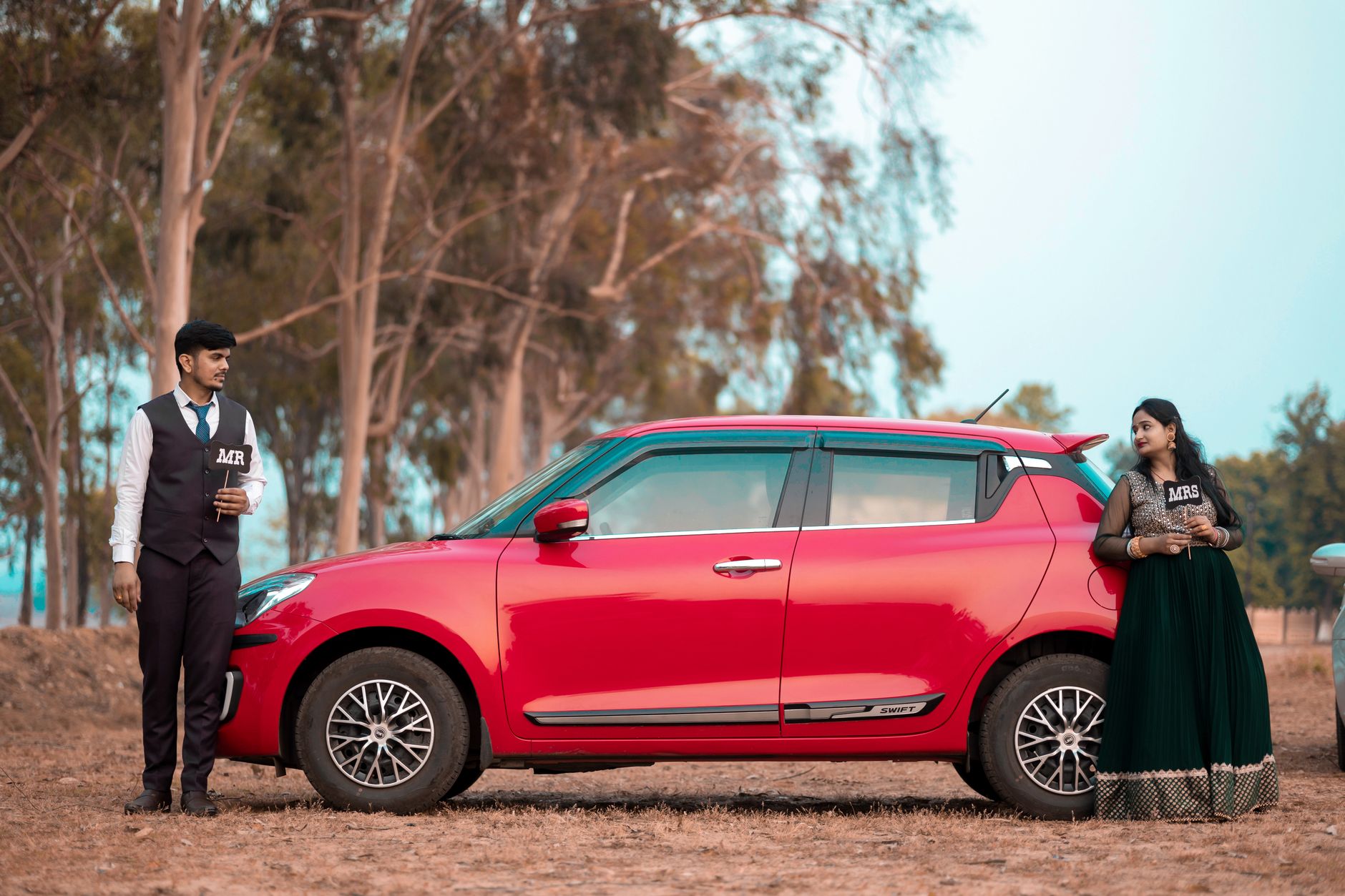

Maruti Suzuki price hike has been confirmed, marking the third increase in just three months. This trend raises concerns among potential buyers and current owners alike.
Understanding the Recent Price Hike
Maruti Suzuki has recently confirmed its third price hike in a three-month period, raising concerns among potential buyers. This trend has left many wondering about the implications of the Maruti Suzuki price hike on their purchasing decisions. The company has increased the prices of several models, citing factors such as rising raw material costs and inflation as key reasons behind the adjustments.
Many industry experts believe that this series of price hikes could lead to a significant shift in consumer behavior. With the automotive market becoming increasingly competitive, buyers may reconsider their options and explore alternatives to Maruti Suzuki vehicles.
In light of these developments, it is essential for consumers to stay informed. Here are some critical points to consider:
- Impact on Affordability: The price hikes may push some buyers out of the market.
- Possible Promotions: Dealers may offer incentives to retain customers.
- Long-Term Trends: Monitoring future pricing strategies will be crucial for buyers.
Understanding these dynamics will help buyers make informed choices amid the recent price fluctuations.
Impact on Car Buyers
The recent Maruti Suzuki price hike has raised concerns among potential car buyers, as it marks the third increase in just three months. This trend is particularly alarming for those in the market for a new vehicle, as the cumulative effect of these hikes could significantly impact affordability.
Buyers are left wondering how this price escalation will affect their purchasing decisions. The following points highlight the potential ramifications:
- Increased Financial Burden: With prices on the rise, buyers may need to adjust their budgets or reconsider their choices.
- Impact on Demand: Higher prices could lead to a decrease in demand, especially among first-time buyers.
- Longer Wait Times: As buyers hesitate, manufacturers may face longer lead times for sales and deliveries.
- Shift in Consumer Preferences: Buyers may turn to alternative brands or used cars to avoid the steep costs associated with new models.
As the industry grapples with these changes, many are questioning whether the latest price hikes are sustainable or a sign of more challenges ahead.
Reasons Behind the Increase
The recent Maruti Suzuki price hike has left many buyers questioning the reasons behind this increase. Several factors contribute to the decision to raise prices, which can significantly impact consumer choices.
- Rising Input Costs: One of the primary reasons for the price hike is the continuous increase in raw material costs. Steel, aluminum, and other essential components have seen price surges, prompting manufacturers to adjust their pricing strategies.
- Regulatory Compliance: Stricter emission norms and safety regulations have led to higher production costs. Maruti Suzuki invests heavily in research and development to ensure compliance, which ultimately affects the final price of their vehicles.
- Market Demand: As demand for vehicles rises, particularly in specific segments, manufacturers may leverage this to implement price increases. With limited supply in certain cases, companies may find it justifiable to raise prices.
- Inflation: General economic inflation also plays a role. As the cost of living rises, companies need to maintain profitability, often resulting in price adjustments.
Future Predictions for Maruti Suzuki
As Maruti Suzuki confirms its third price hike in just three months, the future of car pricing in India raises several questions for potential buyers. Industry experts predict that this trend may not reverse anytime soon, primarily due to rising input costs and inflationary pressures affecting manufacturers.
Many analysts believe that the Maruti Suzuki price hike could signal a broader shift in the automotive market, where affordability becomes a critical concern for consumers. With rising prices, buyers might have to reconsider their purchasing decisions, potentially opting for used vehicles or smaller models to stay within budget.
Moreover, the competition among car manufacturers is expected to intensify. Brands may have to innovate and offer better value propositions to attract buyers who are increasingly price-sensitive. The future may also see a rise in financing options and promotional schemes to mitigate the impact of higher prices.
- Increased competition may lead to more attractive offers.
- Buyers might shift towards electric or hybrid vehicles as alternatives.
- Continued price hikes could limit market growth.
Expert Opinions on Price Trends
Experts in the automotive industry are divided on the implications of the recent Maruti Suzuki price hike. Many analysts suggest that this trend reflects broader economic pressures, including rising input costs and inflation. Rajesh Kumar, an automotive analyst, notes that “the price increase is not just a Maruti Suzuki issue; it reflects the challenges faced by manufacturers across the board.”
On the other hand, Priya Sharma, a market researcher, emphasizes that “consumers are becoming increasingly sensitive to price changes.” She warns that if Maruti Suzuki continues this trend, it may alienate a segment of its loyal customer base.
Furthermore, experts are keeping a close eye on competition. Vikram Singh, a financial consultant, points out that rival brands may capitalize on the situation by offering more competitive pricing or attractive financing options. “The real challenge for Maruti Suzuki lies in maintaining market share amidst these price hikes,” he adds.
Overall, the ongoing price adjustments could shift buyer behavior, with some consumers reconsidering their options in light of the Maruti Suzuki price hike.
The recent Maruti Suzuki price hike has left many potential buyers questioning their budget and options. As the industry responds to rising costs, the Maruti Suzuki price hike could signal a shift in consumer preferences and purchasing power.
Photo by Eternal Slayer on Pexels