

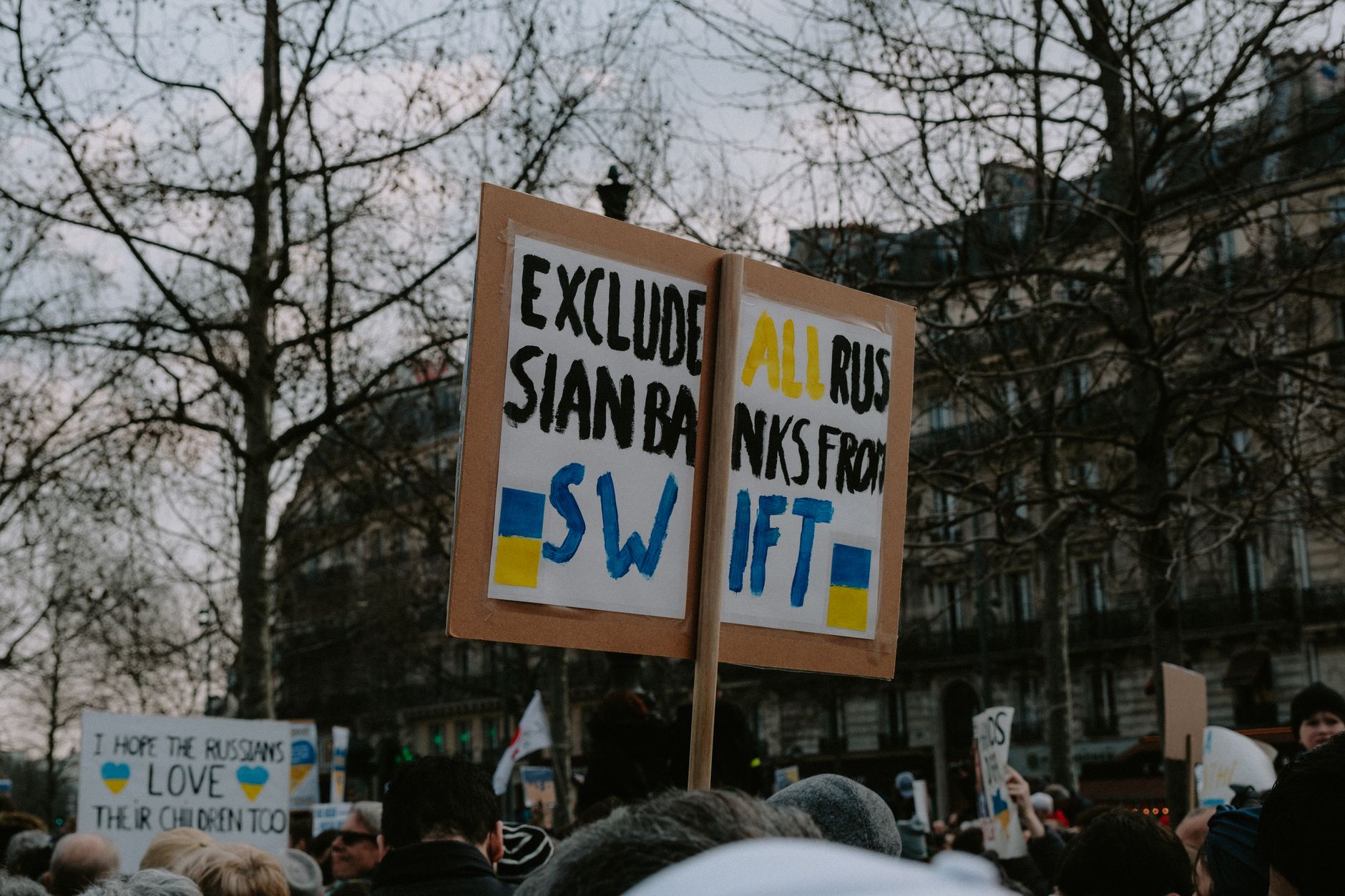

US sanctions against Russia have officially entered into force, marking a significant shift in international relations and legal frameworks.
Overview of US Sanctions
The imposition of US sanctions against Russia has significantly reshaped the geopolitical landscape, influencing not only bilateral relations but also alliances on a global scale. These sanctions stem from various actions taken by Russia, including its annexation of Crimea and interference in foreign elections.
The sanctions aim to target key sectors of the Russian economy, including energy, finance, and military. As a result, the following consequences have been observed:
- Economic Isolation: Russia faces reduced access to international markets and capital, leading to economic stagnation.
- Strained Alliances: Countries that maintain close ties with the US are often pressured to comply with these sanctions, potentially straining their relations with Russia.
- Increased Global Tensions: The sanctions have fueled a sense of animosity between the West and Russia, escalating geopolitical tensions.
As the situation evolves, the long-term implications of these sanctions will continue to unfold, affecting global diplomacy and trade relations.
Impact on Russian Economy
The imposition of US sanctions against Russia has led to significant repercussions for the country’s economy. Analysts have observed a decline in foreign investment, with many international firms withdrawing from the Russian market due to the risk of secondary sanctions. This shift has resulted in a contraction of key sectors, particularly energy and finance.
Furthermore, the Russian ruble has experienced volatility, adversely affecting import prices and the purchasing power of citizens. The sanctions have also restricted access to advanced technology, hindering the development of critical infrastructure projects.
The economic fallout is not limited to Russia alone; it has also reverberated through global markets. Countries that maintain economic ties with Russia face the dilemma of balancing their financial interests against potential repercussions from the US. As the sanctions continue to evolve, the long-term implications for both the Russian economy and international relations remain uncertain.
- Decline in foreign investment
- Volatility of the ruble
- Restrictions on advanced technology
Legal Implications for Iran
The recent US sanctions against Russia have not only affected the targeted nation but have also created complex legal implications for Iran. As the United States enforces these sanctions, Tehran finds itself navigating a precarious landscape, where compliance with US law could result in severe repercussions.
Under the new legislation, Iranian entities engaging in transactions with Russia may face scrutiny and potential penalties. This has led to a cautious approach among Iranian businesses, as they assess their partnerships and the risk of secondary sanctions.
The legal ramifications extend beyond direct economic impacts. The Iranian government is now compelled to reconsider its foreign policy strategies, particularly its alliances with Russia. This situation raises critical questions about Iran’s ability to sustain its trade relationships while adhering to international regulations imposed by the US.
- Increased vigilance in trade agreements.
- Potential for reduced cooperation with Russian counterparts.
- Need for legal consultations to mitigate risks.
International Reactions to Sanctions
International reactions to the US sanctions against Russia have been varied, reflecting a complex geopolitical landscape. Countries across Europe, Asia, and beyond have assessed their own stances in light of the sanctions, leading to a mix of support and criticism.
Several European nations have expressed solidarity with the United States, citing the need to address Russia’s aggressive actions. Notably, the European Union has implemented its own measures to reinforce these sanctions, aiming to limit Russia’s economic capabilities.
On the other hand, some nations have voiced opposition to the sanctions, arguing they exacerbate tensions and undermine diplomatic efforts. Countries like China and India have emphasized the importance of dialogue and negotiation over punitive measures.
As global relations shift, the long-term implications of the US sanctions against Russia remain uncertain, with many countries weighing their own interests against the backdrop of international law and cooperation.
Future of US Sanctions Policy
The future of US sanctions against Russia remains uncertain as geopolitical dynamics continue to evolve. Analysts suggest that these sanctions will likely adapt to the changing landscape of international relations. Several factors will influence the trajectory of this policy:
- Diplomatic Engagement: The potential for renewed dialogue between the US and Russia could lead to a reassessment of current sanctions.
- Global Alliances: The strength of alliances with European and Asian partners may impact the effectiveness and enforcement of US sanctions.
- Domestic Politics: Shifts in the political landscape within the US could affect public support for ongoing sanctions against Russia.
- Economic Consequences: The broader implications for the global economy will be considered as the sanctions policy evolves.
As the US navigates its foreign policy, the effectiveness and future of its sanctions against Russia will be critical in shaping not only bilateral relations but also the stability of international order.
The ongoing US sanctions against Russia have significantly altered the dynamics of international diplomacy. As countries reassess their alliances, the long-term effects of US sanctions against Russia are becoming increasingly evident.
Photo by Mathias Reding on Pexels