

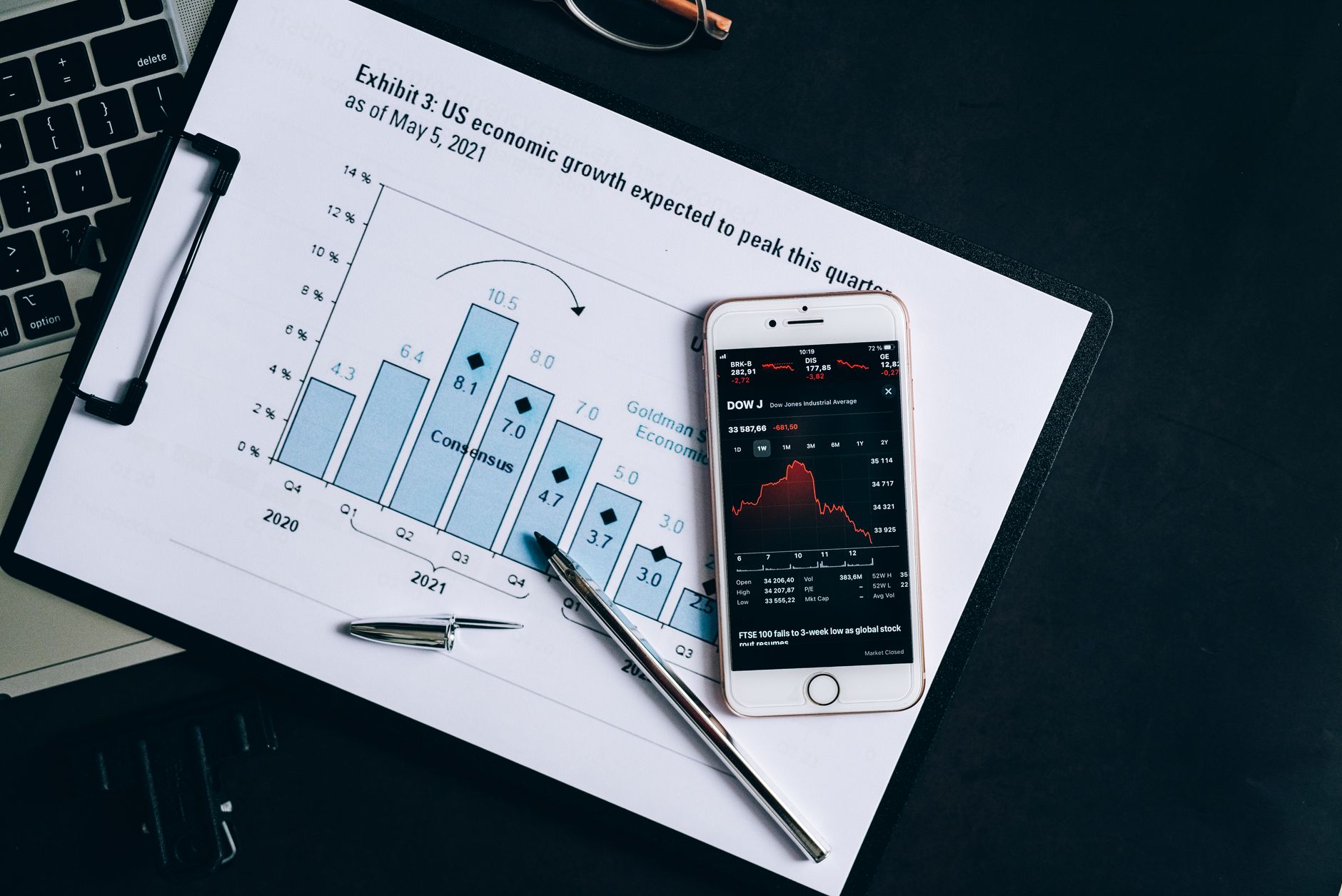

India GDP growth forecast for 2026 has been raised to 7% due to strong investment and export momentum, showcasing the country’s economic resilience.
Understanding India’s Economic Landscape
India’s economic landscape is characterized by a diverse array of factors that play a crucial role in shaping its GDP growth forecast. Recent reports indicate that the Asian Development Bank (ADB) has raised India’s 2026 GDP growth forecast to 7 percent, largely driven by robust investment and export momentum.
Several elements contribute to this optimistic outlook:
- Investment Surge: There has been a significant increase in both domestic and foreign investments, particularly in infrastructure and technology sectors. This influx is expected to create jobs and stimulate economic activity.
- Export Growth: India has been expanding its export capabilities, with a focus on manufacturing and services. This has allowed the country to tap into global markets more effectively.
- Government Initiatives: Policies aimed at enhancing ease of doing business have fostered a conducive environment for entrepreneurs and investors alike. Initiatives such as the ‘Make in India’ campaign continue to gain traction.
- Demographic Advantage: With a young and growing workforce, India is well-positioned to leverage its human capital for sustained economic growth.
As these factors converge, the India GDP growth forecast for 2026 reflects a promising trajectory, highlighting the nation’s potential as a key player in the global economy.
Factors Driving GDP Growth in India
The growth forecast for India’s GDP in 2026 is influenced by several key factors that highlight the nation’s economic resilience and potential. Understanding these factors is crucial for stakeholders looking to navigate the evolving economic landscape.
- Strong Investment Climate: The Indian government has initiated numerous reforms aimed at enhancing the ease of doing business. These reforms have attracted both domestic and foreign investments, particularly in sectors such as infrastructure, technology, and renewable energy.
- Export Momentum: With a focus on boosting exports, India has seen a significant increase in manufacturing output. Initiatives like “Make in India” have encouraged local production, making Indian goods more competitive in global markets.
- Demographic Advantage: India boasts a young and dynamic workforce, which can drive innovation and productivity. This demographic advantage is expected to support sustained economic growth in the coming years.
- Technological Advancements: The rapid adoption of technology across various sectors, including agriculture and services, is enhancing efficiency and creating new avenues for economic development.
These factors collectively contribute to a positive outlook for India’s GDP growth forecast, positioning the country as a significant player in the global economy by 2026.
India GDP Growth Forecast Explained
The India GDP growth forecast for 2026 has garnered significant attention, particularly following the recent announcement by the Asian Development Bank (ADB). The ADB has raised its growth projection for India to an impressive 7 percent, reflecting strong investment and export momentum.
This revision indicates a robust economic outlook, supported by various factors. The rising levels of foreign direct investment (FDI) are playing a crucial role, as global companies continue to see India as a favorable destination for their capital. Additionally, the government’s initiatives to enhance infrastructure and ease of doing business have further bolstered investor confidence.
Another key element contributing to the positive GDP growth forecast is the revival of manufacturing and service sectors post-pandemic. The Indian economy is witnessing a resurgence in demand, both domestically and internationally, which is expected to sustain this growth trajectory.
Furthermore, the export sector is showing resilience, with an upsurge in demand for Indian goods and services across global markets. Analysts suggest that maintaining this momentum will be essential for achieving the projected growth rate.
In conclusion, the India GDP growth forecast reflects a combination of strategic investments, supportive government policies, and a favorable global economic environment, indicating a bright future for the nation’s economy.
The Role of Exports in Economic Recovery
The role of exports in India’s economic recovery cannot be overstated, especially as the nation seeks to bolster its GDP growth forecast for 2026. A robust export sector is vital for sustaining economic momentum and enhancing overall productivity.
India’s export industry has shown resilience, driven by a combination of factors:
- Diversified Markets: Indian exporters have expanded their reach into new markets, reducing dependency on traditional partners.
- Value-Added Products: There has been a significant shift towards exporting higher-value goods, which not only fetch better prices but also contribute more to GDP.
- Government Initiatives: Policies aimed at boosting exports, such as tax incentives and simplified regulations, have encouraged businesses to explore international opportunities.
- Technological Advancements: The adoption of technology in production processes has enabled Indian manufacturers to compete on a global scale, enhancing the quality and efficiency of exports.
As the Asian Development Bank (ADB) raises India’s GDP growth forecast to 7 percent for 2026, the export sector is expected to play a crucial role in achieving this ambitious target. The interplay between strong investment and export momentum will be essential for sustaining economic growth and improving living standards across the country.
The India GDP growth forecast for 2026 indicates a strong rebound driven by increased consumer spending and infrastructure development. Analysts suggest that understanding the India GDP growth forecast can provide valuable insights for investors and policymakers alike.
Photo by Leeloo The First on Pexels