

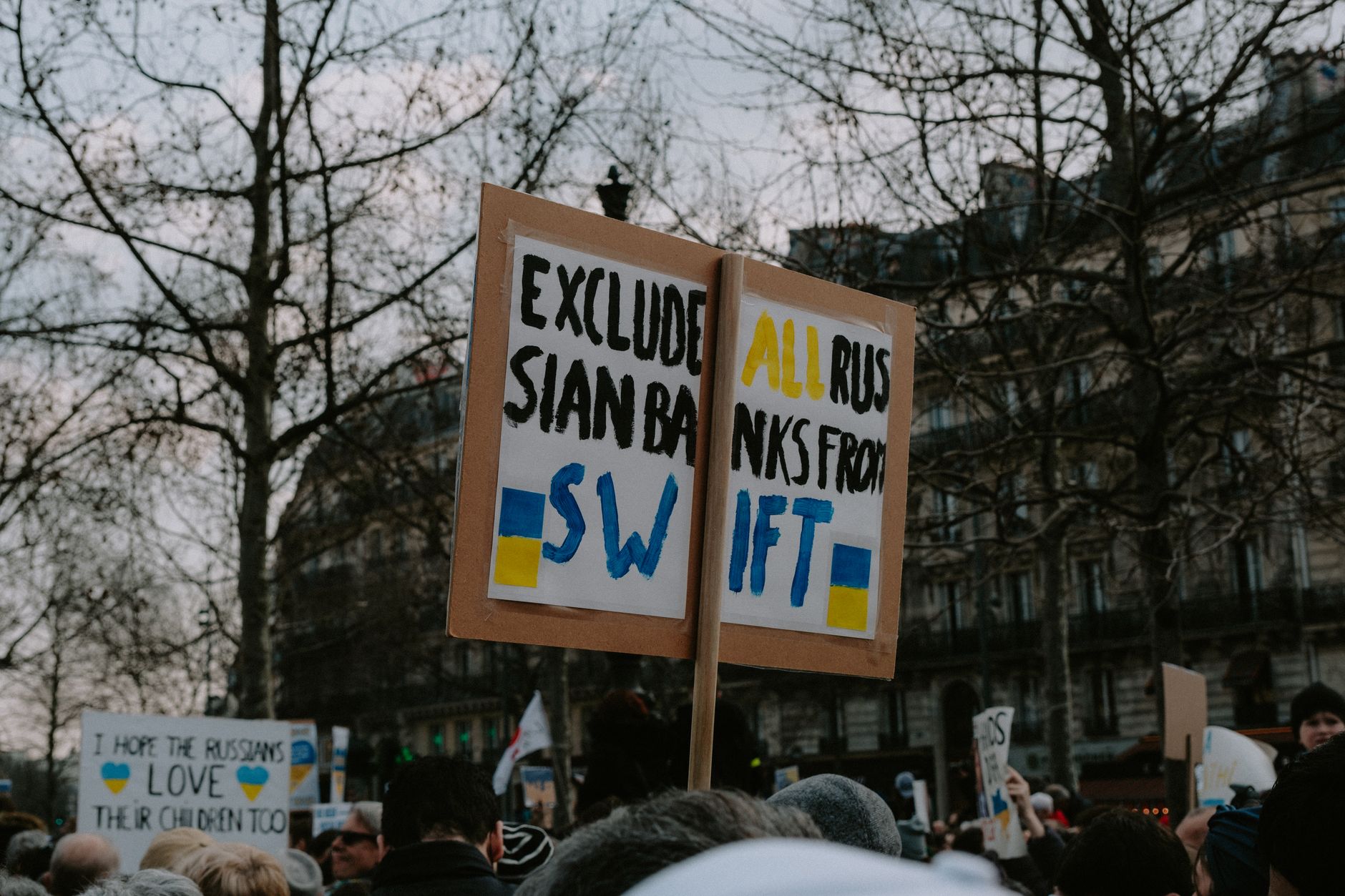

The Russia sanctions act has become a focal point in discussions between India and U.S. officials, with Jaishankar reiterating India’s concerns during talks with Rubio.
Understanding the Russia Sanctions Act
The recent discussions surrounding the Russia sanctions act have raised significant concerns for various nations, particularly India. As geopolitical tensions escalate, the implications of these sanctions extend beyond Russia, affecting global trade and diplomatic relations. India’s External Affairs Minister, S. Jaishankar, has been vocal about the potential repercussions that such sanctions could have on India’s economic interests and its longstanding ties with Russia.
During his recent talks with U.S. Senator Marco Rubio, Jaishankar emphasized the need for a balanced approach when implementing these measures. He outlined several key points regarding India’s position:
- Economic Impact: Jaishankar highlighted that sanctions could disrupt trade relations, particularly in sectors like energy, where India relies on Russian supplies.
- Strategic Alliances: He reiterated the importance of maintaining strong ties with Russia, especially in defense and security matters, which are crucial for India’s national interests.
- Regional Stability: Jaishankar pointed out that the sanctions might exacerbate tensions in regions where India has strategic interests, potentially impacting security dynamics.
In conclusion, the dialogue between India and the United States regarding the Russia sanctions act reflects the complex interplay of global politics, where nations must navigate their own interests while responding to international pressures.
India’s Position on Sanctions
India has consistently expressed its apprehensions regarding the implications of the Russia sanctions act on its strategic interests and economic ties. During recent discussions, Indian External Affairs Minister S. Jaishankar emphasized the necessity for a balanced approach that respects India’s sovereignty while addressing global security concerns. He highlighted the deep-rooted historical ties between India and Russia, which have been pivotal in various sectors including defense, energy, and trade.
Jaishankar articulated that the sanctions could inadvertently affect India’s ongoing projects and collaborations with Russia. He noted that while the international community is entitled to its stance on the issue, it is crucial to consider the unique context of India’s relationship with Russia. The minister stated:
- Energy Security: India relies on Russian oil and gas supplies for its energy needs, which are vital for sustaining its economic growth.
- Defense Cooperation: A significant portion of India’s defense arsenal is sourced from Russia, making cooperation in this area paramount.
- Geopolitical Stability: India advocates for a multipolar world where no single nation dominates global affairs, emphasizing the need for diplomatic engagement over punitive measures.
In conclusion, Jaishankar’s remarks reflect India’s commitment to navigating the complexities of international relations while safeguarding its national interests amidst the evolving landscape of the Russia sanctions act.
Key Points from Jaishankar’s Talk
In a recent address, Indian External Affairs Minister S. Jaishankar highlighted several key points regarding the Russia sanctions act and its implications for India. His discussions aimed to clarify India’s stance and address concerns about the potential impact of the sanctions on bilateral relations with Russia.
- Strategic Partnership: Jaishankar emphasized the longstanding strategic partnership between India and Russia, noting that it has been crucial for India’s defense and energy needs.
- Impact on Trade: The minister raised concerns that the Russia sanctions act could disrupt trade flows, affecting sectors such as energy, defense, and technology.
- Regional Stability: Jaishankar pointed out that any sanctions could exacerbate regional instability, which is not in the interest of India or its neighbors.
- Diplomatic Engagement: He reiterated the importance of diplomatic dialogue in resolving differences, advocating for a balanced approach that respects the sovereignty of nations.
- Global Context: Jaishankar noted that the geopolitical landscape is evolving, and unilateral sanctions could have far-reaching consequences beyond just the targeted country.
Overall, Jaishankar’s remarks reflect India’s careful navigation of its foreign policy amidst the complexities introduced by the Russia sanctions act, balancing its strategic interests while advocating for dialogue and cooperation.
Implications for U.S.-India Relations
The recent discussions surrounding the Russia sanctions act have significant implications for U.S.-India relations, particularly in the context of India’s strategic interests. As tensions between the U.S. and Russia continue to escalate, India finds itself navigating a complex geopolitical landscape that requires careful balancing of its partnerships.
During his talks with U.S. Senator Marco Rubio, Indian External Affairs Minister S. Jaishankar emphasized the importance of understanding India’s unique position. He highlighted that India has longstanding ties with Russia, which are critical for its defense and energy security.
Jaishankar articulated several key concerns regarding the sanctions, including:
- Defense Procurement: India relies on Russian technology for a significant portion of its military capabilities, and sanctions could hinder procurement processes.
- Energy Dependence: Russia is a major supplier of energy resources to India, making it vital for India’s energy strategy.
- Strategic Autonomy: India seeks to maintain its autonomy in foreign policy decisions, and external pressures from the U.S. could compromise this goal.
By reiterating these concerns, Jaishankar aims to foster a better understanding between the U.S. and India, ensuring that both nations can address security challenges while respecting India’s longstanding relationships.
Photo by Mathias Reding on Pexels