

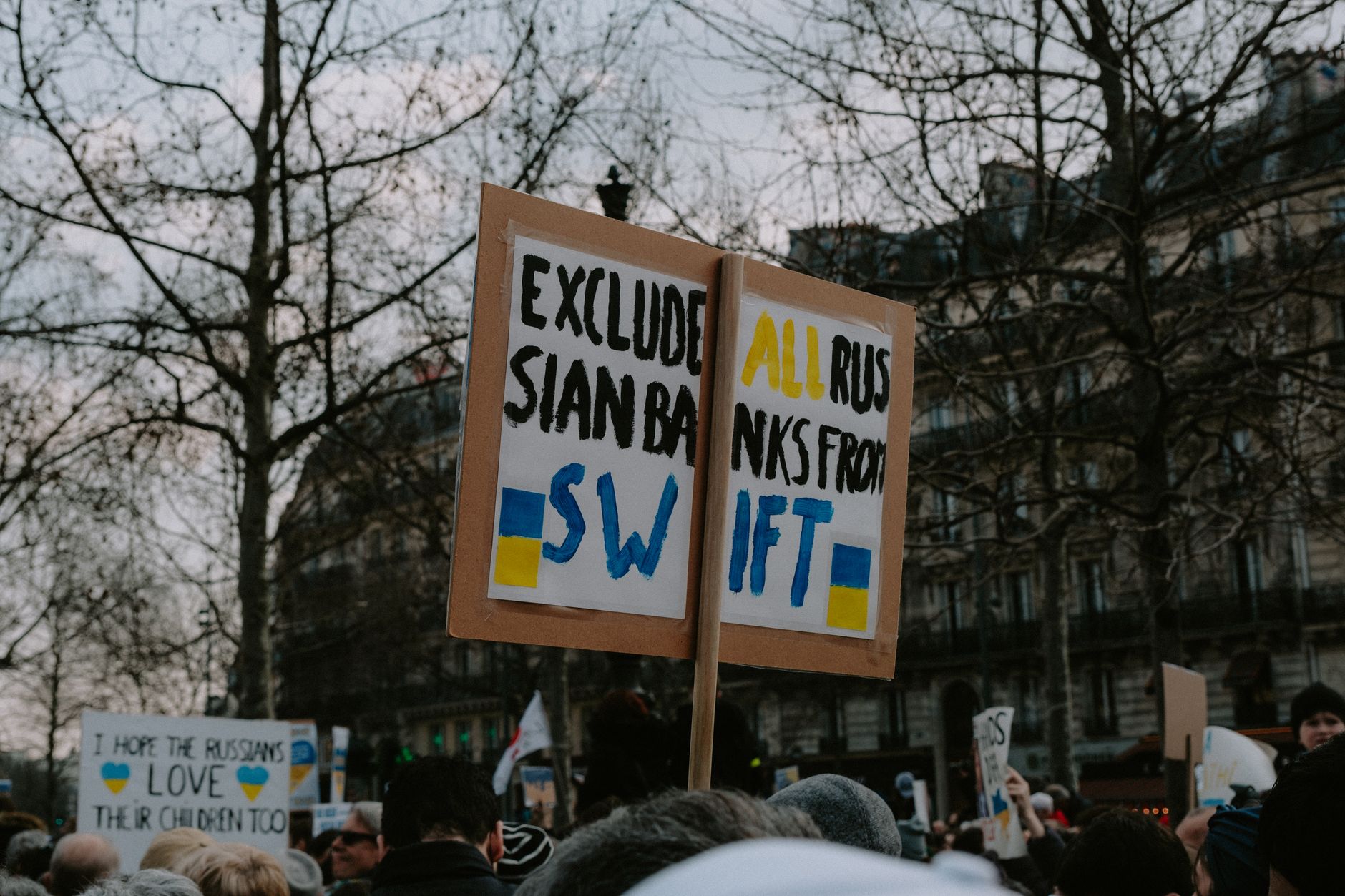

Russia sanctions law is the focus as U.S. President seeks 60 days to analyze its impact. Senator Marco Rubio has commented on the necessity of this evaluation.
Overview of Russia Sanctions Law
The recent developments surrounding the Russia sanctions law have sparked significant attention from policymakers and analysts alike. With U.S. President Joe Biden requesting a 60-day period to evaluate the ramifications of these sanctions, questions about their effectiveness and long-term consequences are at the forefront of discussions.
This request comes as officials recognize the complexities involved in imposing sanctions on Russia, particularly given the country’s vast economic ties and geopolitical influence. Marco Rubio, a prominent senator, emphasized the need for a thorough analysis to understand how these measures will impact not only Russia but also global markets and U.S. allies.
Analysts are closely monitoring several key areas:
- Economic Impact: Evaluating how sanctions will affect the Russian economy and industries.
- Political Ramifications: Understanding how these actions may influence Russia’s domestic and foreign policy decisions.
- International Relations: Assessing the response from other nations and potential shifts in alliances.
As the 60-day window approaches, the outcome of this analysis could shape future U.S. strategies regarding Russia and its ongoing conflicts.
Marco Rubio’s Statement on Sanctions
In a recent statement, Senator Marco Rubio expressed his support for the U.S. President’s request for 60 days to analyze the impact of the Russia sanctions law. He emphasized the necessity of understanding the ramifications of these sanctions on both the U.S. economy and foreign relations.
Rubio highlighted several key points regarding the sanctions, stating that:
- The sanctions aim to hold Russia accountable for its actions on the global stage.
- It is crucial to ensure that the sanctions do not inadvertently harm American businesses.
- A thorough analysis will allow for adjustments to be made if the sanctions are found to be counterproductive.
Furthermore, he noted that the consequences of these measures extend beyond economic factors, impacting diplomatic relations with allies and adversaries alike. Rubio urged a careful evaluation process to maintain bipartisan support for the sanctions, as well as to safeguard U.S. interests.
As the analysis period unfolds, lawmakers are encouraged to remain vigilant and responsive to any findings that may arise from the assessment of the Russia sanctions law.
Expected Outcomes of the Analysis
The analysis of the Russia sanctions law is anticipated to yield several significant outcomes over the next 60 days. Lawmakers and analysts are particularly interested in understanding the broader implications of these sanctions on both the U.S. economy and international relations.
Key expected outcomes include:
- Economic Impact Assessment: A detailed evaluation of how the sanctions are affecting various sectors, including energy and technology.
- International Relations Dynamics: Insights into how these sanctions influence U.S. relationships with allies and adversaries alike.
- Compliance and Enforcement Analysis: An assessment of how effectively the sanctions are being enforced and the compliance levels among targeted entities.
- Potential Adjustments: Recommendations for future sanctions or policy adjustments based on the analysis findings.
- Public Sentiment Monitoring: An examination of how public opinion is shifting in response to the sanctions and their perceived effectiveness.
Overall, the analysis aims to provide a comprehensive understanding of the implications of the Russia sanctions law and inform future legislative actions. The results will be crucial in shaping the U.S. strategy moving forward.
Timeline for Impact Assessment
The timeline for the impact assessment of the Russia sanctions law is critical for understanding its effects on both domestic and international fronts. The U.S. President has requested a 60-day window to conduct a thorough analysis, as highlighted by Senator Marco Rubio. This period is essential for gathering data and insights that will inform future policy decisions.
During the first phase of the assessment, which lasts for 30 days, the focus will be on:
- Evaluating economic repercussions, including changes in trade patterns and financial markets.
- Monitoring diplomatic relations with affected nations and allies.
- Assessing public sentiment within Russia and among its citizens regarding the sanctions.
The subsequent 30 days will delve deeper into:
- Analyzing the enforcement mechanisms of the sanctions and their efficacy.
- Identifying unintended consequences that could impact global economies.
- Formulating recommendations based on the findings of the initial review.
This structured timeline aims to ensure a comprehensive understanding of the Russia sanctions law and its broader implications.
Reactions from Political Leaders
Political leaders have expressed a range of reactions following the announcement of the Russia sanctions law and the proposed 60-day impact analysis period. Some view the timeline as necessary to fully understand the implications of the sanctions on various sectors.
- Speaker of the House Nancy Pelosi emphasized the importance of a thorough review, stating, “We must ensure that our actions align with our national interests and effectively pressure the Russian government.”
- Senate Majority Leader Chuck Schumer voiced support for the analysis, declaring, “Understanding the long-term effects of the Russia sanctions law is critical for our strategic planning.”
- House Minority Leader Kevin McCarthy raised concerns, arguing that delays could diminish the intended impact, saying, “We cannot afford to wait too long; the situation is evolving rapidly.”
- Senator Elizabeth Warren highlighted the potential economic ramifications, adding, “This analysis should also consider how these sanctions might affect American businesses and consumers.”
As the 60-day timeline progresses, it remains to be seen how the feedback from these leaders will shape the final implementation of the Russia sanctions law.
Historical Context of Sanctions
The implementation of the Russia sanctions law marks a significant turning point in international relations, particularly regarding U.S.-Russia dynamics. Historically, sanctions have been employed as a tool to address geopolitical conflicts and human rights abuses. Over the past decade, various sanctions regimes have targeted Russia, stemming from incidents such as the annexation of Crimea in 2014 and interference in the 2016 U.S. elections.
These past sanctions were often met with mixed responses from both the international community and the Russian government. While some experts argue that sanctions have effectively pressured Moscow to change its behavior, others contend that they have solidified nationalistic sentiments and reinforced the Kremlin’s grip on power.
The current Russia sanctions law, however, is distinct in its scope and intended duration. With a focus on analyzing the impact over a 60-day period, policymakers aim to assess not only immediate economic repercussions but also long-term effects on U.S.-Russian relations and global markets.
As the analysis unfolds, understanding the historical context of sanctions will be crucial for evaluating their effectiveness and potential modifications in strategy moving forward.
Future Implications for U.S.-Russia Relations
The recent implementation of the Russia sanctions law is poised to significantly reshape U.S.-Russia relations in the coming months. As the 60-day analysis period unfolds, various stakeholders are keenly observing the potential long-term effects of these sanctions on diplomatic ties and economic interactions.
Several key implications may arise from this analysis, including:
- Increased Tensions: The sanctions may exacerbate existing tensions between the two nations, leading to a cycle of retaliatory measures.
- Diplomatic Isolation: Russia could find itself further isolated on the global stage, potentially impacting its alliances and partnerships.
- Economic Repercussions: Both U.S. and Russian economies might experience significant shifts, affecting trade and investment opportunities.
- Policy Reevaluation: The analysis may prompt U.S. lawmakers to reevaluate their approach towards Russia, potentially leading to more stringent or relaxed measures.
As the situation develops, it is crucial for policymakers to carefully consider the broader implications of the sanctions law. The outcome of this analysis will not only influence immediate relations but also set the tone for future diplomatic engagements between the two countries.
Photo by Mathias Reding on Pexels