

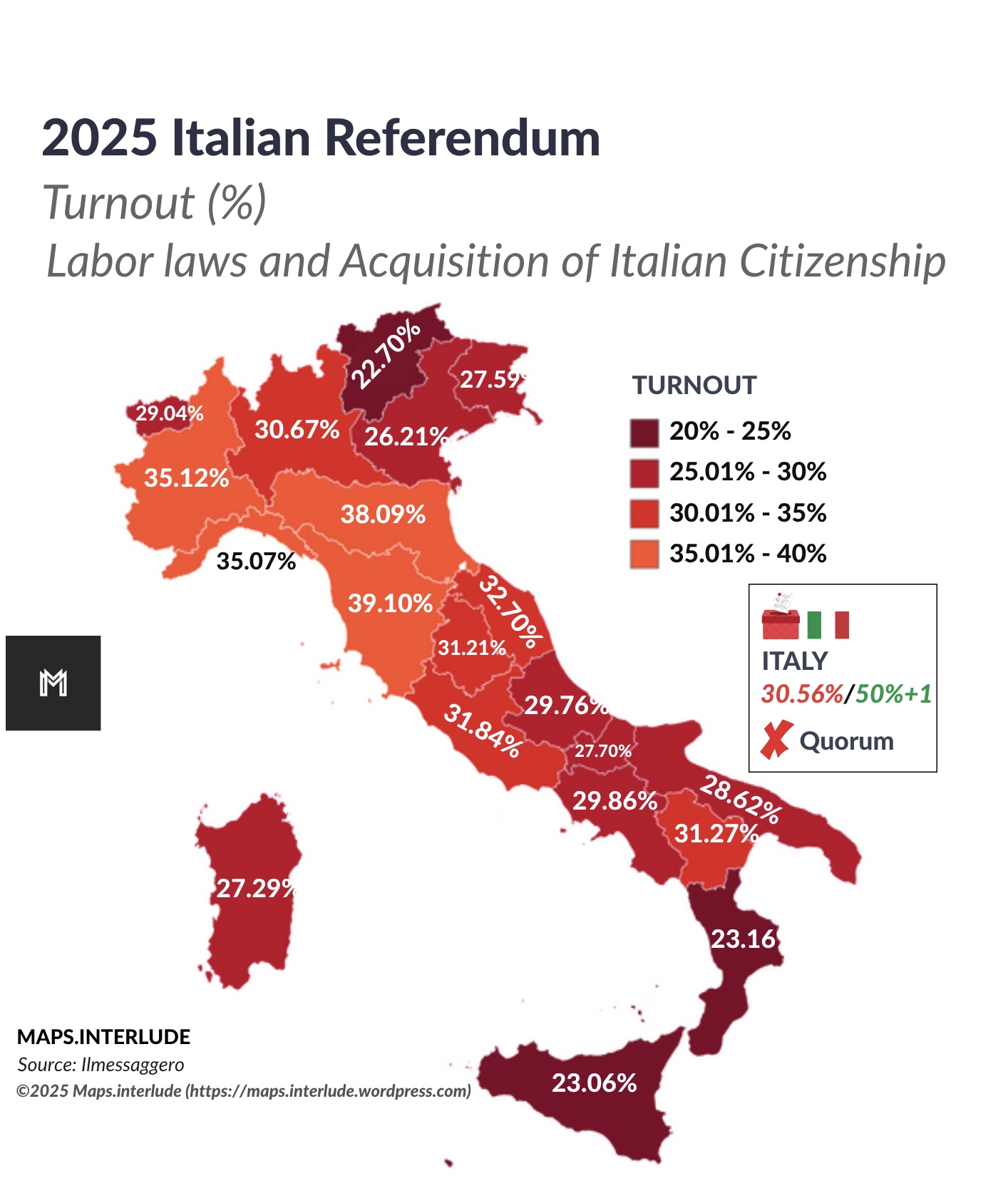

Italian citizenship law is set for potential changes as Porta tells Tajani about the need for reform. This development could impact many seeking citizenship in Italy.
Proposed Changes to Italian Citizenship Law
The proposed changes to the Italian citizenship law for 2024 have sparked significant controversy and debate. Critics argue that these alterations could negatively impact the rights and opportunities for many individuals seeking citizenship in Italy.
One of the most contentious proposals includes the introduction of stricter eligibility criteria, which may disproportionately affect children born in Italy to foreign parents. Supporters of the change argue it will promote integration, while opponents believe it undermines the principle of inclusivity.
Additionally, there are suggestions to extend the waiting period for naturalization from the current duration to several years longer. This shift is viewed by many as a barrier that could discourage long-term residents from pursuing citizenship.
Among the proposed reforms, the government is considering increasing fees associated with citizenship applications, which could pose financial challenges for low-income families. Critics fear this move will create a system that favors wealthier applicants.
In light of these proposals, advocacy groups are mobilizing to raise awareness and push back against what they term “terrible changes” to the law. The outcome of these discussions will be crucial in shaping the future of Italian citizenship and its accessibility for those who call Italy home.
Impact of New Citizenship Regulations
The proposed changes to the Italian citizenship law have sparked significant concern among various communities. Critics argue that these alterations could have far-reaching implications for those seeking to obtain Italian citizenship.
One major impact of the new citizenship regulations is the potential increase in processing times. Many applicants already face lengthy wait periods, and further bureaucratic hurdles may exacerbate this issue, leaving families in limbo for extended periods.
Additionally, there is apprehension regarding the tightened eligibility criteria. Under the proposed regulations, certain groups, including long-term residents and descendants of Italian citizens, may find it more difficult to meet the new requirements. This change could lead to a decrease in the number of individuals able to claim their rights to Italian citizenship, undermining the principles of inclusivity and integration.
Furthermore, the proposed changes may disproportionately affect vulnerable populations. Many immigrants rely on the ability to secure citizenship as a pathway to stability, and the tightening of regulations could leave them without essential protections.
In summary, the impact of the new citizenship regulations could be profound, affecting not just individuals but also the social fabric of Italian society as a whole.
Public Reaction to Citizenship Law Changes
The proposed changes to the Italian citizenship law have sparked significant public reaction, with many citizens expressing their concerns and frustrations. Protests have erupted throughout the country, showcasing the widespread discontent with the potential alterations to existing regulations.
Critics argue that the new citizenship regulations would unfairly disadvantage long-term residents and those with strong ties to Italy. Many individuals and families fear that the proposed changes could result in increased bureaucracy and a longer path to citizenship, undermining the values of inclusivity and integration.
Social media platforms have become a battleground for opinions, with hashtags related to the Italian citizenship law trending as citizens voice their disapproval. Key points raised by the public include:
- Loss of Rights: Many believe that the changes may strip away rights that have been traditionally granted to immigrants.
- Increased Inequality: Critics warn that the new law could create a divide between those who can navigate the system easily and those who cannot.
- Calls for Dialogue: Activists are urging the government to engage with communities affected by the changes.
The sentiments reflect a deep-seated concern over how these modifications may reshape the very fabric of Italian society.
Expert Opinions on Citizenship Reforms
Experts in immigration law and policy have voiced strong concerns regarding the proposed changes to the Italian citizenship law for 2024. Many fear that these reforms could exacerbate existing challenges faced by immigrants and their families.
Dr. Lucia Rossi, a renowned immigration attorney, stated, “The changes to the Italian citizenship law will create unnecessary barriers for those seeking to integrate into Italian society. The proposed requirements are not only cumbersome but also discriminatory.”
Furthermore, Professor Marco Bianchi, a political scientist specializing in migration studies, expressed his discontent: “These reforms seem to prioritize bureaucratic efficiency over human rights. It is essential to remember that citizenship is not just a legal status; it represents belonging and identity.”
Concerns have also been raised about the lack of public consultation in the reform process. Claudia Ferri, a community activist, emphasized the need for transparency: “The voices of those directly affected by these changes must be heard. We are calling for an open dialogue between lawmakers and the community.”
As the debate continues, many are left wondering how these proposed changes will ultimately shape the future of Italian citizenship and its impact on society.
Comparative Analysis of Citizenship Laws
The landscape of citizenship laws varies significantly across different nations, reflecting diverse societal values and historical contexts. In a comparative analysis, Italy’s proposed changes to its citizenship law for 2024 highlight stark contrasts with other European countries.
Many nations, such as France and Germany, offer paths to citizenship that favor long-term residency and integration. In contrast, Italy’s current model faces criticism for its stringent requirements, particularly regarding the necessity of proving direct lineage. The proposed law changes aim to address these concerns, yet some experts argue they may not go far enough.
Key aspects of comparative citizenship laws include:
- Residency Duration: Countries like Portugal and Spain allow for citizenship after just a few years of residency, while Italy requires a more extended commitment.
- Language Proficiency: Language skills are a common requirement, but Italy’s proposed regulations could complicate this further.
- Integration Measures: Some nations emphasize cultural integration, whereas Italy’s focus has historically leaned more towards lineage.
As Italy contemplates these changes, the dialogue surrounding its citizenship law remains critical, echoing broader discussions about national identity and inclusion within Europe.
Timeline for Potential Law Changes
The timeline for potential changes to the Italian citizenship law has become a focal point for many citizens and policymakers alike. As proposed alterations are debated, the following key dates may shape the future of citizenship regulations in Italy:
- January 2024: Initial discussions in the Italian Parliament are set to commence, allowing lawmakers to present their arguments for and against the proposed changes.
- March 2024: Expert testimonies and public consultations are expected to take place, providing a platform for citizens, advocacy groups, and legal experts to voice their opinions on the implications of the new citizenship law.
- May 2024: A draft of the proposed changes is anticipated to be released, offering the public insight into what alterations are being considered and how they may affect current citizens and future applicants.
- July 2024: A parliamentary vote is scheduled, during which lawmakers will decide whether to adopt the proposed changes to the citizenship law.
- September 2024: If approved, the new regulations are expected to go into effect, initiating a new era for Italian citizenship law.
As these dates approach, the dialogue surrounding citizenship reforms is likely to intensify, reflecting the urgency and importance of the topic in Italian society.
What You Need to Know About Italian Citizenship
The Italian citizenship law has long been a subject of intense debate, particularly as proposed changes for 2024 loom on the horizon. Understanding the current framework is crucial for those affected by these regulations. Here are the key points you should know:
- Current Eligibility: Italian citizenship can be acquired by birth, marriage, or naturalization. Each path has specific requirements and timelines.
- Naturalization Process: Applicants must reside in Italy for a minimum of ten years, although this period is reduced for EU citizens and individuals married to Italian nationals.
- Language Requirement: Proficiency in Italian is mandatory, with applicants needing to demonstrate their skills through standardized tests.
- Dual Citizenship: Italy permits dual citizenship, allowing individuals to retain citizenship in their country of origin.
- Future Changes: Proposed amendments to the Italian citizenship law may alter residency requirements and language proficiency standards, raising concerns among potential applicants.
As discussions continue, it is essential for individuals seeking Italian citizenship to stay informed about the evolving landscape and how it may impact their applications.
Future of Immigration in Italy
The future of immigration in Italy remains uncertain as discussions surrounding the Italian citizenship law continue to evolve. With proposed changes slated for 2024, many are concerned about the potential implications for immigrants and their families. As lawmakers grapple with these reforms, a clear vision for the future is necessary.
Recent statements from political leaders indicate a willingness to address the longstanding issues within the current citizenship framework. Porta’s recent remarks, “We will change your terrible law,” highlight a growing consensus that significant modifications are needed to make the system more equitable and accessible. However, the path to reform is fraught with challenges.
Among the anticipated changes are provisions aimed at streamlining the application process and reducing waiting times for citizenship approval. Additionally, there is a push to clarify residency requirements, which many argue have been too stringent.
As Italy stands at this crossroads, various stakeholders, including immigrant advocacy groups and political parties, are closely monitoring the developments. The outcome of these proposed changes will undoubtedly shape the landscape of immigration in Italy for years to come, making it a critical issue for both citizens and newcomers alike.
The proposed revisions to the Italian citizenship law have raised significant concerns among advocates for immigrant rights. Many fear that the changes to the Italian citizenship law could create additional hurdles for those seeking to obtain citizenship.
By Maps.interlude via Openverse
Read the original
Insieme · Italian citizenship law
Related reading
HIPAA Privacy Rule Changes: Clear Guidance for Healthcare Organizations · Namma Yatri Funding News: Best Proven Investment Opportunity · Undergrowth Clearing Rules: Is Now the Right Time?