

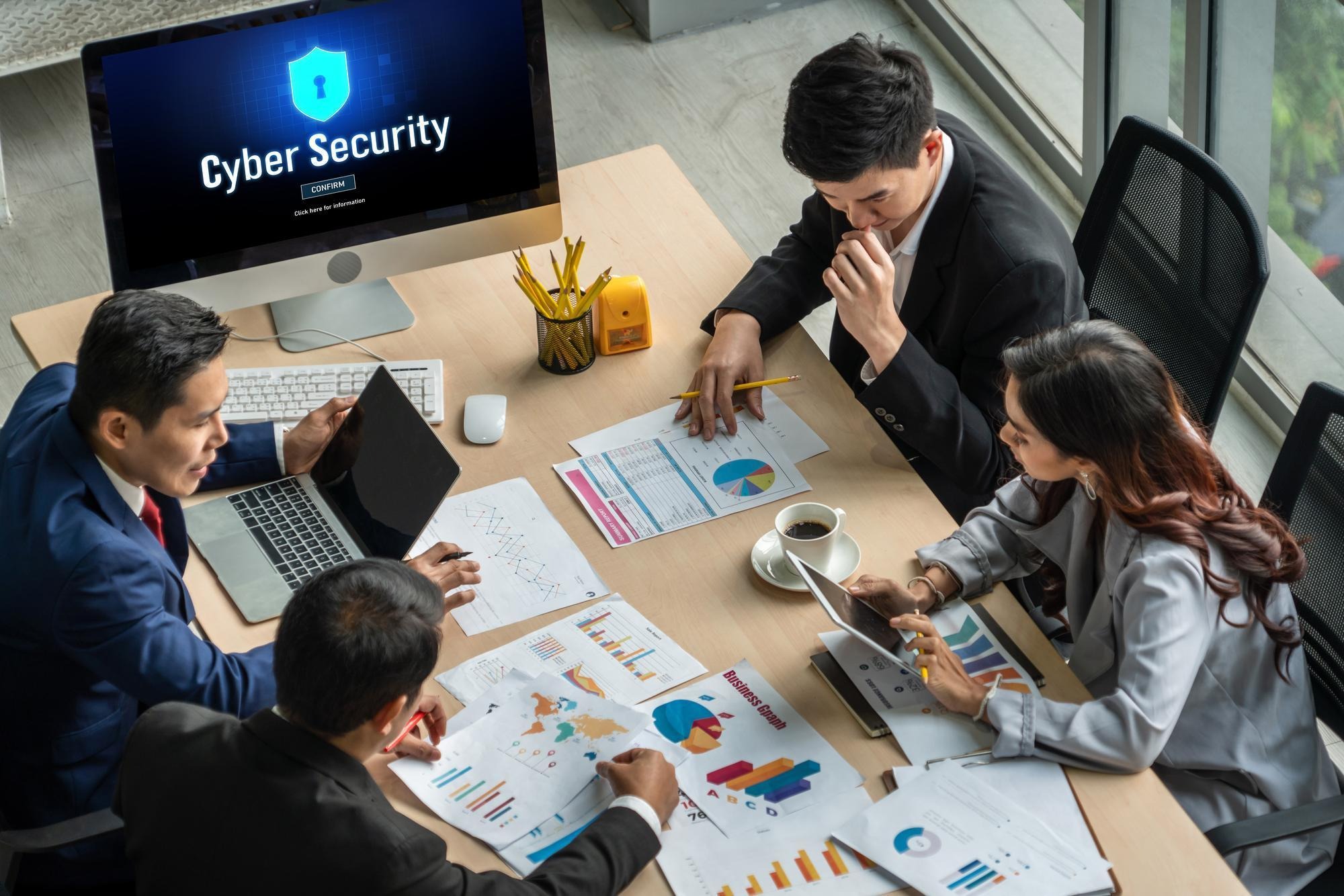

The Philippines’ expanding digital economy has created deeper connections among government platforms, financial networks, telecommunications, healthcare systems, and private enterprises. Every connection creates operational opportunities, but it also introduces security dependencies that cannot be addressed effectively by organizations working separately. Cyber resilience increasingly depends on coordinated preparation across institutions with different responsibilities, resources, and technical capabilities.
A stronger national defense model therefore requires public private cybersecurity collaboration that connects policy direction with industry expertise and operational intelligence. Government agencies can establish governance frameworks and national priorities, while enterprises contribute technical knowledge gained from defending active digital environments. When these capabilities intersect, organizations can respond to threats with greater context while strengthening protection around essential services and sensitive information.
Why Cyber Defense Requires Shared Responsibility
Cyber incidents rarely remain confined to one organization or industry. A compromised supplier, cloud environment, financial platform, or communications provider can create consequences across interconnected networks. This makes information exchange particularly important when malicious activity moves between commercial infrastructure and systems supporting public services.
Government institutions and enterprises also observe different parts of the threat landscape. Combining those perspectives can improve situational awareness without removing individual accountability. Effective cooperation may include:
- Structured mechanisms for sharing relevant threat intelligence
- Defined procedures for escalating significant incidents
- Coordinated exercises involving multiple industries
- Clear responsibilities during large-scale cyber disruptions
These arrangements help participating organizations understand how their individual security programs contribute to wider national resilience.
Threat Intelligence Becomes Stronger Through Coordination
Security teams continuously collect information from endpoints, identities, networks, applications, cloud environments, and external sources. Individual organizations may recognize suspicious activity, yet isolated observations do not always reveal the broader campaign behind an attack. Carefully governed intelligence exchange can connect indicators appearing across multiple environments.
Shared insight is particularly valuable when defending critical infrastructure. Financial services, telecommunications, healthcare, transportation, energy, and government operations depend on systems whose disruption can affect communities and economic activity. Cooperation enables defenders to recognize patterns earlier and apply relevant protections before similar activity reaches additional organizations.
Creating Useful Intelligence Channels
Information sharing needs established processes rather than informal communication during emergencies. Participating institutions can determine what information should be exchanged, who receives it, how quickly it should move, and what safeguards apply to confidential material. Defined channels make collaboration more dependable during active incidents.
Establishing Common Threat Context
An indicator becomes more useful when defenders understand its context. Information concerning attacker behavior, affected technologies, exploitation methods, or observed tactics can help security teams determine whether their own environments face comparable exposure and prioritize investigation accordingly.
Improving Incident Coordination
During a serious attack, delayed communication can increase operational disruption. Predefined contacts and escalation procedures allow government bodies, infrastructure operators, technology partners, and affected enterprises to coordinate response activities without first building communication structures during the crisis itself.
Protecting Sensitive Information
Cooperation must also respect privacy, confidentiality, regulatory requirements, and organizational security. Sharing frameworks need appropriate controls so useful intelligence can move between trusted participants without unnecessarily exposing customer information, proprietary data, or sensitive defensive capabilities.
Turning Intelligence Into Defensive Action
Threat information has limited value when it remains inside reports. Security teams need processes that translate intelligence into detection rules, configuration changes, vulnerability priorities, access controls, employee warnings, or investigation tasks that directly strengthen defensive operations.
Learning After an Incident
Post-incident analysis creates another opportunity for collective improvement. Organizations can examine attack paths, response difficulties, technical weaknesses, and communication gaps. Lessons that can be responsibly shared may help other institutions prepare for similar threats before they experience them directly.
Protecting Critical Infrastructure Across Sectors
Critical infrastructure presents a distinct coordination challenge because essential services increasingly rely on interconnected information technology, operational systems, third-party platforms, and communications networks. A disruption affecting one component can influence services well beyond the initially targeted organization.
Resilience planning can therefore address both prevention and operational recovery. Important priorities include:
- Mapping dependencies between essential digital services
- Testing incident response and business continuity procedures
- Strengthening identity and privileged access controls
- Assessing third-party and supply chain exposure
- Maintaining recovery capabilities for essential operations
Joint exercises can expose weaknesses that remain hidden during routine operations. They also give participating institutions practical experience coordinating technical, executive, legal, regulatory, and communications teams under pressure.
Building Security Around People and Emerging Technology
Technology alone cannot deliver national cyber resilience. Employees, contractors, administrators, executives, and frontline personnel make decisions that influence security every day. Phishing, credential theft, social engineering, and accidental exposure continue to make workforce awareness an essential part of organizational defense.
At the same time, artificial intelligence, cloud adoption, connected devices, mobile platforms, and automated systems are changing the attack surface. Security programs need to evolve alongside these technologies rather than respond after deployment. Useful measures can include:
- Contextual security awareness and phishing simulations
- Risk-based access management for sensitive resources
- Continuous assessment of cloud configurations
- Monitoring of connected devices and endpoints
- Training for technical and nontechnical personnel
Building cyber capability across the workforce also supports stronger communication between organizations because teams share clearer terminology, reporting practices, and response expectations.
Final Thoughts
What happens when cyber defenders stop operating as separate islands? A more connected security ecosystem can emerge, one where government leaders, CISOs, regulators, infrastructure operators, risk professionals, and technology specialists exchange knowledge and examine shared challenges from different operational perspectives.
Within that conversation, PhilSec 2027 can provide an industry platform for stakeholders exploring the next stage of Philippine cyber resilience. Through cybersecurity conferences focused on areas such as cloud security, Zero Trust, cyber warfare, IoT security, digital forensics, enterprise protection, and evolving threat strategies, decision-makers can examine practical approaches to securing the country’s expanding digital ecosystem. Continued dialogue between public institutions and private organizations can ultimately turn separate defensive capabilities into a more coordinated national security posture.