


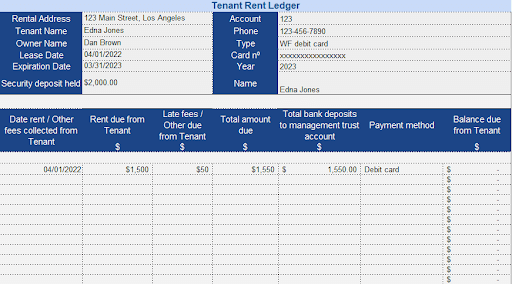
Property management relies heavily on accurate financial tracking, and Lease Ledger serve as the foundation for successful rental operations. These detailed records track every financial transaction between landlords and tenants, creating a clear audit trail that protects both parties.
Understanding Lease Ledger Components
A properly maintained lease ledger contains several critical elements. Monthly rent payments form the primary entries, but effective ledgers also track security deposits, late fees, maintenance charges, and utility payments. Each transaction requires specific details including dates, amounts, payment methods, and reference numbers.
Recent industry surveys show that 78% of property managers who maintain detailed lease ledgers report fewer tenant disputes compared to those using basic tracking methods. This statistic highlights the importance of comprehensive record-keeping in rental management.
Essential Tracking Categories
Rent Payments and Adjustments
Document all rent payments with exact dates and amounts. Include partial payments, rent increases, and any approved adjustments. Track payment methods whether cash, check, or electronic transfer to maintain complete records.
Security Deposits and Fees
Record security deposit amounts, holding periods, and any deductions for damages or unpaid rent. Late fees, pet deposits, and application fees require separate tracking categories to ensure proper accounting.
Maintenance and Repairs
Track tenant-requested repairs, emergency maintenance costs, and routine upkeep expenses. This information proves valuable during security deposit disputes and helps identify recurring property issues.
Digital vs. Traditional Ledger Systems
Modern property managers increasingly favor digital ledger systems over traditional paper records. Digital platforms offer automatic calculations, backup capabilities, and integration with accounting software. However, 23% of small-scale landlords still prefer manual tracking methods for their simplicity and low cost.
Cloud-based systems provide remote access and real-time updates, making them ideal for property managers handling multiple units. These platforms typically cost $10-50 monthly but save significant time on administrative tasks.
Legal Requirements and Compliance
Most states require landlords to maintain detailed financial records for specific periods, typically 3-7 years. These records become crucial during eviction proceedings, where courts examine payment histories to determine case validity.
Accurate lease ledgers help landlords recover legal costs through attorney fee clauses in lease agreements. Properties with detailed financial records show 60-70% higher success rates in fee recovery compared to those with incomplete documentation.
Common Ledger Management Mistakes
Incomplete Transaction Details
Many property managers record payment amounts without including dates, methods, or reference numbers. This oversight creates confusion during audits and legal proceedings.
Mixing Personal and Business Expenses
Landlords often mistakenly include personal expenses in property ledgers, creating tax complications and reducing professional credibility during disputes.
Delayed Entry Updates
Recording transactions weeks after they occur leads to inaccuracies and makes it difficult to track current balances. Industry best practices recommend same-day entry updates.
Maximizing Ledger Effectiveness
Establish consistent entry procedures and stick to them. Schedule weekly reviews to catch errors early and ensure all transactions are properly recorded. Create backup systems to prevent data loss and maintain copies of supporting documentation.