

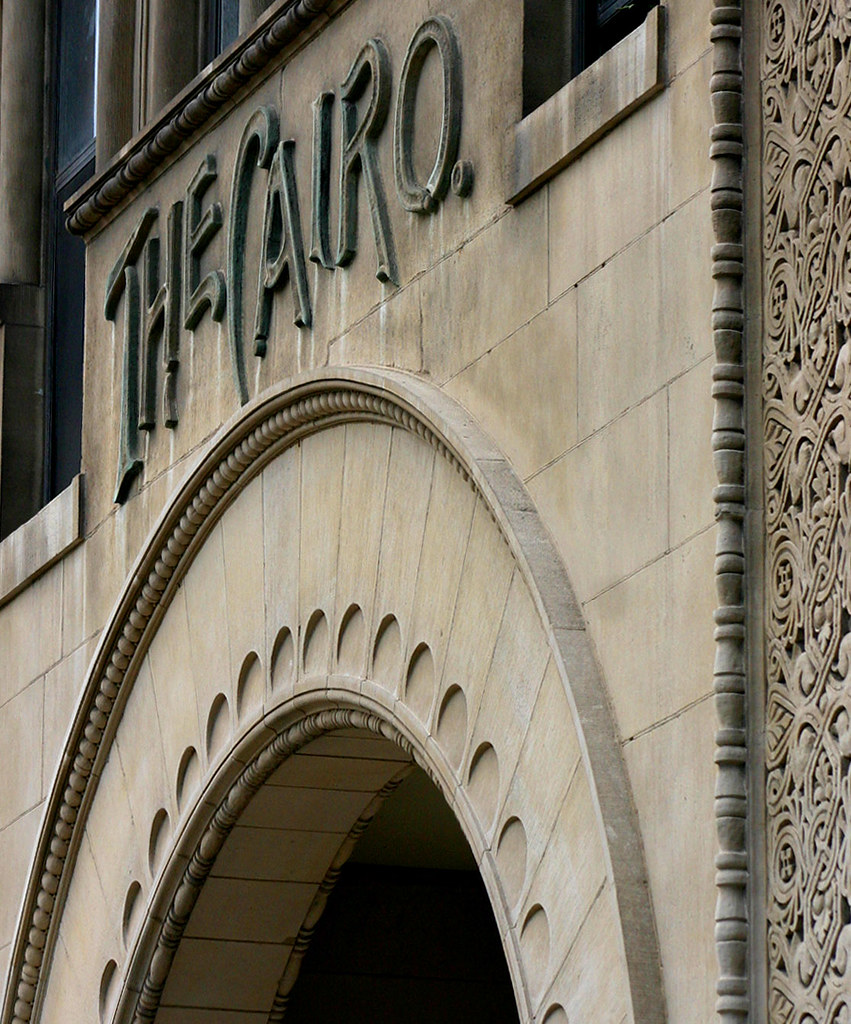

Florida hotel laws are now under scrutiny, potentially affecting historic properties like the Savoy Hotel in Miami Beach. This article explores the implications of these legal changes.
Understanding Florida Hotel Laws
Understanding Florida hotel laws is essential for both property owners and prospective investors in the hospitality industry. The state has established a framework designed to protect historic properties while also promoting tourism and economic growth. However, navigating these laws can be complex, especially for historic hotels like Miami Beach’s Savoy Hotel, which dates back to the 1930s.
Florida hotel laws encompass a range of regulations, including:
- Preservation Requirements: Historic properties must adhere to specific preservation guidelines that aim to maintain their architectural integrity.
- Licensing and Compliance: Hotels must obtain the necessary licenses to operate, ensuring they meet health, safety, and zoning regulations.
- Tax Incentives: Property owners may be eligible for tax breaks if they invest in the restoration and maintenance of historic hotels.
While these laws serve to protect the cultural heritage of places like the Savoy Hotel, they also present challenges. Property owners must balance compliance with the need for modernization and profitability. Understanding the implications of Florida hotel laws is crucial for ensuring the longevity and sustainability of historic properties in the state.
The History of the Savoy Hotel
The Savoy Hotel, located in the heart of Miami Beach, has been a significant landmark since its establishment in the 1930s. Known for its Art Deco architecture and vibrant history, the hotel has seen numerous transformations over the decades. Originally a getaway for the rich and famous, it played a crucial role in the social scene of Ocean Drive.
Despite its storied past, the Savoy Hotel now faces challenges due to evolving Florida hotel laws. These regulations aim to balance preservation with modern safety and operational standards, leading to debates about the viability of maintaining historic properties. The impact of such laws can be profound:
- Restoration Costs: Compliance with updated safety codes may require significant financial investments.
- Operational Limitations: New regulations can restrict how historic hotels operate, affecting their competitiveness.
- Preservation vs. Profit: Owners often grapple with the desire to honor historical significance while ensuring profitability.
As the Savoy Hotel navigates these challenges, its future will reflect the ongoing tension between preserving Florida’s rich historical tapestry and adapting to contemporary demands.
Impact on Ocean Drive Businesses
The recent changes in Florida hotel laws have sparked considerable debate among local business owners along Ocean Drive. Many historic properties, like the iconic Savoy Hotel, face unique challenges that could reshape their futures.
As regulations tighten, owners of these vintage establishments are concerned about the potential loss of their charm and character. The following points highlight the impact of these laws on businesses in the area:
- Increased Costs: Compliance with new regulations often requires significant financial investment, which can strain the budgets of smaller, historic hotels.
- Operational Changes: Owners may need to alter their business models to meet updated safety and accessibility standards, potentially diminishing the unique experiences they offer.
- Competition: Larger hotel chains, better equipped to handle compliance costs, could overshadow historic properties, leading to a shift in the local hospitality landscape.
- Preservation Challenges: Striking a balance between modernization and preservation becomes increasingly difficult, as some owners fear losing the historical significance that attracts visitors.
As Ocean Drive continues to evolve, the impact of Florida hotel laws will be closely watched by both residents and tourists alike.
Legal Challenges for Historic Hotels
As Florida hotel laws continue to evolve, historic hotels like the Savoy face unique legal challenges that could impact their future. These establishments, steeped in history, often operate under regulations designed to preserve their architectural integrity while also meeting modern safety and accessibility standards.
One significant challenge stems from the requirement to balance the preservation of historical features with the need for renovations. Owners may find themselves navigating a complex web of local, state, and federal regulations that govern everything from zoning to building codes. This often leads to conflicts between maintaining the hotel’s historical character and complying with contemporary standards.
Additionally, funding and financial support for restoration projects can be limited. Many historic hotels struggle to secure grants or tax incentives, which are essential for sustaining these aging properties. As a result, some may be forced to choose between costly renovations or closing their doors altogether.
Furthermore, potential changes in Florida hotel laws could create even more uncertainty for these historic establishments, making it crucial for owners and stakeholders to stay informed and actively engage in legislative discussions.
Future of Miami Beach’s Heritage
The future of Miami Beach’s heritage is intricately tied to the evolving landscape of Florida hotel laws. As historic properties like the Savoy Hotel face mounting pressures from modern regulations, the preservation of these iconic structures becomes increasingly uncertain. Local advocates argue that stricter hotel laws could inadvertently endanger the very essence of Miami Beach’s unique charm.
Many believe that the allure of the city lies in its rich history and architectural diversity. However, the imposed guidelines could transform historic hotels into generic accommodations, stripping away their cultural significance. The ongoing debates highlight a crucial dilemma:
- Preservation vs. Modernization: Striking a balance between maintaining heritage and accommodating contemporary demands is essential.
- Community Engagement: Involving local residents in discussions about hotel regulations ensures that the voices of those who cherish these historic sites are heard.
- Legislative Solutions: Advocates are calling for laws that protect historic properties while still enabling necessary renovations.
As Miami Beach navigates these challenges, the fate of its historic hotels remains uncertain, raising questions about the impact of Florida hotel laws on its cherished past.
Community Reactions to New Laws
Community reactions to the new Florida hotel laws have been mixed, particularly regarding their potential impact on historic properties like the Savoy Hotel. Residents and preservationists express concern that these regulations may prioritize profit over the preservation of Miami Beach’s unique architectural heritage.
Many local stakeholders have voiced their opinions during community meetings, highlighting the following key points:
- Preservation Efforts: Advocates argue that historic hotels contribute significantly to the cultural identity of the area and should be protected from commercial pressures.
- Economic Concerns: Some business owners fear that the new laws could lead to increased costs and operational challenges, possibly driving away tourists.
- Community Input: Residents emphasize the importance of having a say in decisions that affect their neighborhoods, calling for more transparent processes regarding hotel developments.
- Historical Significance: Many locals believe that preserving historic structures like the Savoy is crucial for maintaining the character of Ocean Drive.
As discussions continue, the community remains divided, weighing the benefits of modernization against the need to honor Florida hotel laws that safeguard the past.
What This Means for Property Owners
The recent changes in Florida hotel laws have significant implications for property owners, particularly those managing historic properties like the Savoy Hotel. With stricter regulations aimed at preserving the character of Miami Beach, owners must navigate a complex landscape of compliance and restoration mandates.
For many property owners, this means increased financial burdens as they invest in renovations to meet new standards. The costs of maintaining the historical integrity of buildings can be substantial, and owners may find themselves in a precarious position, balancing preservation with profitability.
Moreover, the evolving laws could impact the operational aspects of these hotels. Owners may need to adapt their business models to align with regulations that prioritize community engagement and heritage conservation, potentially affecting their guest services and marketing strategies.
In addition, the legal challenges that have arisen from these laws can create uncertainty for property owners. Ongoing litigation and disputes over compliance can divert resources and attention away from the core business of hospitality.
Ultimately, while Florida hotel laws aim to protect historic properties, they also present challenges that property owners must address diligently to ensure both compliance and continued success in a competitive market.
By dbking via Openverse
References
Related stories
Advanced Drainage stock: Best Buy Recommendation from D.A. Davidson · Trent shares revenue estimates: Proven growth after Q2 · Piracy Takedown Decisions: Who Holds the Real Power?