

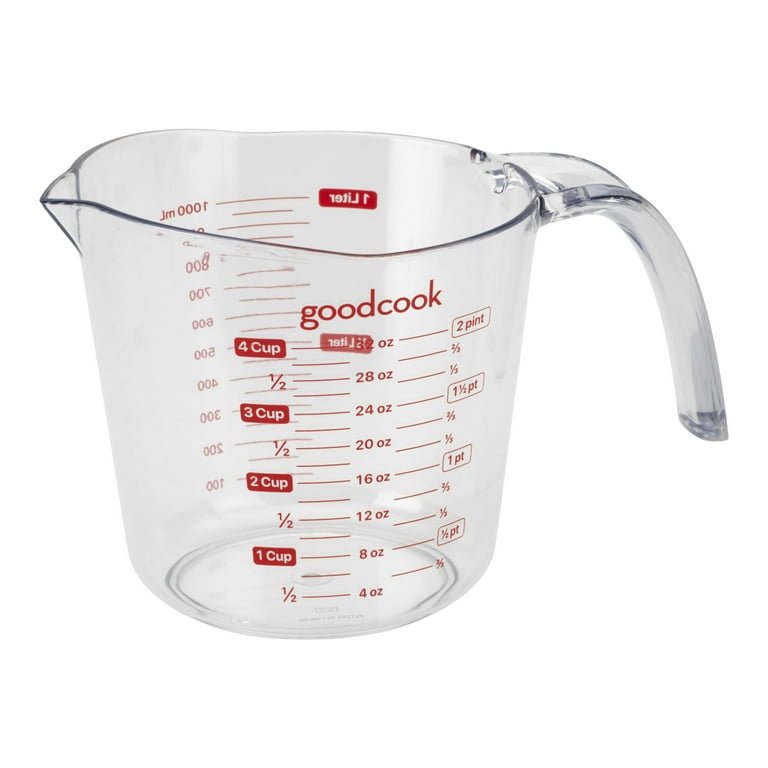

Measuring cups simplify cooking and baking, allowing precision in every dish. Accurate measurements are essential for successful recipes. Sturdy and reliable, measuring cups come in various sizes. Whether it’s a pinch of salt or a cup of flour, these cups ensure your ingredients are just right. Upgrade your kitchen game with the essential tool – measuring cups.

The Wonderful World of Measuring Cups: A Kitchen Essential
Welcome to the exciting world of measuring cups! Whether you’re a budding chef or a baking enthusiast, measuring cups are an essential tool in any kitchen. In this comprehensive guide, we will explore everything you need to know about measuring cups, from the different types available to the proper way to use them to ensure accurate measurements. So, grab your favorite measuring cup and let’s dive in!
The Importance of Measuring Cups in the Kitchen
Measuring cups play a crucial role in cooking and baking by providing precise measurements of ingredients. Imagine trying to bake a cake without knowing how much flour or sugar to use – the result would be a disaster! Measuring cups help ensure that your recipes turn out perfectly every time, making them a must-have tool for any kitchen.
Types of Measuring Cups
There are several types of measuring cups available, each designed for specific types of ingredients. The most common types include:
1. Dry Measuring Cups
Dry measuring cups are typically made of plastic or metal and come in sets of varying sizes, such as 1/4 cup, 1/3 cup, 1/2 cup, and 1 cup. These cups are used for measuring dry ingredients like flour, sugar, and spices. They feature a flat rim that allows you to level off the ingredients for accurate measurements.
2. Liquid Measuring Cups
Liquid measuring cups are usually made of glass or plastic and have a spout for pouring liquids. They come in various sizes, such as 1 cup, 2 cups, and 4 cups. These cups are designed to be filled to the brim, and the measurement is read at eye level for precise accuracy when measuring liquids like water, milk, or oil.
3. Measuring Spoons
While not technically measuring cups, measuring spoons are an essential part of any kitchen tool set. Measuring spoons come in various sizes, such as 1/4 teaspoon, 1/2 teaspoon, 1 teaspoon, and 1 tablespoon, and are used for measuring small amounts of ingredients like salt, baking powder, and vanilla extract.
How to Use Measuring Cups Correctly
Using measuring cups correctly is crucial to the success of your recipes. Here are some tips on how to use measuring cups accurately:
1. Spoon and Level Dry Ingredients
When measuring dry ingredients like flour or sugar, spoon the ingredient into the measuring cup until it is overflowing. Use the back of a knife or a flat spatula to level off the excess, ensuring a precise measurement.
2. Use Liquid Measuring Cups for Liquids
When measuring liquids, place the measuring cup on a flat surface and pour the liquid in until it reaches the desired mark. Be sure to read the measurement at eye level for accuracy.
3. Properly Pack Brown Sugar
For ingredients like brown sugar that need to be packed, use the back of a spoon to press the sugar firmly into the measuring cup until it holds its shape. Level off any excess with a knife for an accurate measurement.
Common Mistakes to Avoid When Using Measuring Cups
While measuring cups are a handy tool in the kitchen, there are some common mistakes that people often make when using them. Here are a few pitfalls to watch out for:
1. Scooping Dry Ingredients
One common mistake is scooping dry ingredients directly from the bag with the measuring cup, which can lead to packed and uneven measurements. Remember to spoon the ingredients into the cup and level them off for accuracy.
2. Pouring Liquid Ingredients on an Angle
Pouring liquid ingredients at an angle in a liquid measuring cup can result in inaccurate measurements. Always place the cup on a flat surface and pour the liquid slowly for precise readings.
3. Guessing Measurements
Estimating measurements instead of using measuring cups can throw off the balance of ingredients in a recipe. Take the time to measure accurately to ensure your dish turns out as intended.
Benefits of Using Measuring Cups
There are many benefits to using measuring cups in the kitchen. Some of the key advantages include:
1. Consistent Results
Using measuring cups ensures that you get consistent results every time you cook or bake. Accurate measurements lead to perfectly balanced flavors and textures in your dishes.
2. Easy to Follow Recipes
By following recipes with precise measurements using measuring cups, you can recreate your favorite dishes with ease. No more guessing or estimating – just follow the recipe and let the measuring cups do the work.
3. Less Room for Error
Measuring cups help reduce the margin of error in your cooking and baking. By measuring ingredients accurately, you can avoid overseasoning, underbaking, or other mishaps that can occur due to incorrect measurements.
Choosing the Right Measuring Cups for Your Kitchen
When selecting measuring cups for your kitchen, consider factors like material, size, and ease of use. Here are a few tips to help you choose the right measuring cups:
1. Material
Choose measuring cups made from durable materials like stainless steel or heat-resistant plastic for long-lasting use. Avoid flimsy plastic cups that can warp or break easily.
2. Size Variety
Opt for a set of measuring cups that includes a wide range of sizes to accommodate different recipes. Having various cup sizes ensures you can measure both large and small quantities accurately.
3. Easy to Clean
Look for measuring cups that are dishwasher-safe for easy cleaning. Avoid cups with intricate designs or crevices that can trap food particles and make cleaning a chore.
Measuring Cups: A Kitchen Essential
Measuring cups are a simple yet indispensable tool that can elevate your cooking and baking skills. By using measuring cups correctly and avoiding common pitfalls, you can ensure that your recipes turn out perfectly every time. So, next time you’re in the kitchen, grab your trusty measuring cups and embark on a culinary adventure with confidence!
Remember, the key to success in the kitchen lies in precision and accuracy, and measuring cups are here to help you achieve just that. Happy cooking!
Equipment Expert's Top Pick for Liquid Measuring Cups
Frequently Asked Questions
What are the different types of measuring cups available?
There are various types of measuring cups, including liquid measuring cups, dry measuring cups, adjustable measuring cups, and specialty measuring cups like those designed for specific ingredients such as flour or sugar.
How do you properly use a measuring cup?
To use a measuring cup correctly, place it on a flat surface, pour the ingredient into the cup until it reaches the desired measurement line, then level off the excess with a straight edge for dry ingredients or check at eye level for liquid ingredients.
Can I use a liquid measuring cup for dry ingredients and vice versa?
It’s recommended to use liquid measuring cups for liquids and dry measuring cups for dry ingredients. Using the appropriate type of cup ensures accurate measurements and better results in your cooking or baking.
Are there measuring cups that show measurements in different units?
Yes, some measuring cups have dual measurements, showing both metric and imperial units for convenience. This feature can be useful for following recipes from different regions or adjusting measurements as needed.
Final Thoughts
In conclusion, measuring cups are essential tools for precise cooking and baking. They ensure accuracy in ingredient quantities, leading to consistent results. Remember to use the correct measuring cup for dry or liquid ingredients to avoid inaccuracies. Invest in a quality set of measuring cups to elevate your culinary creations.