

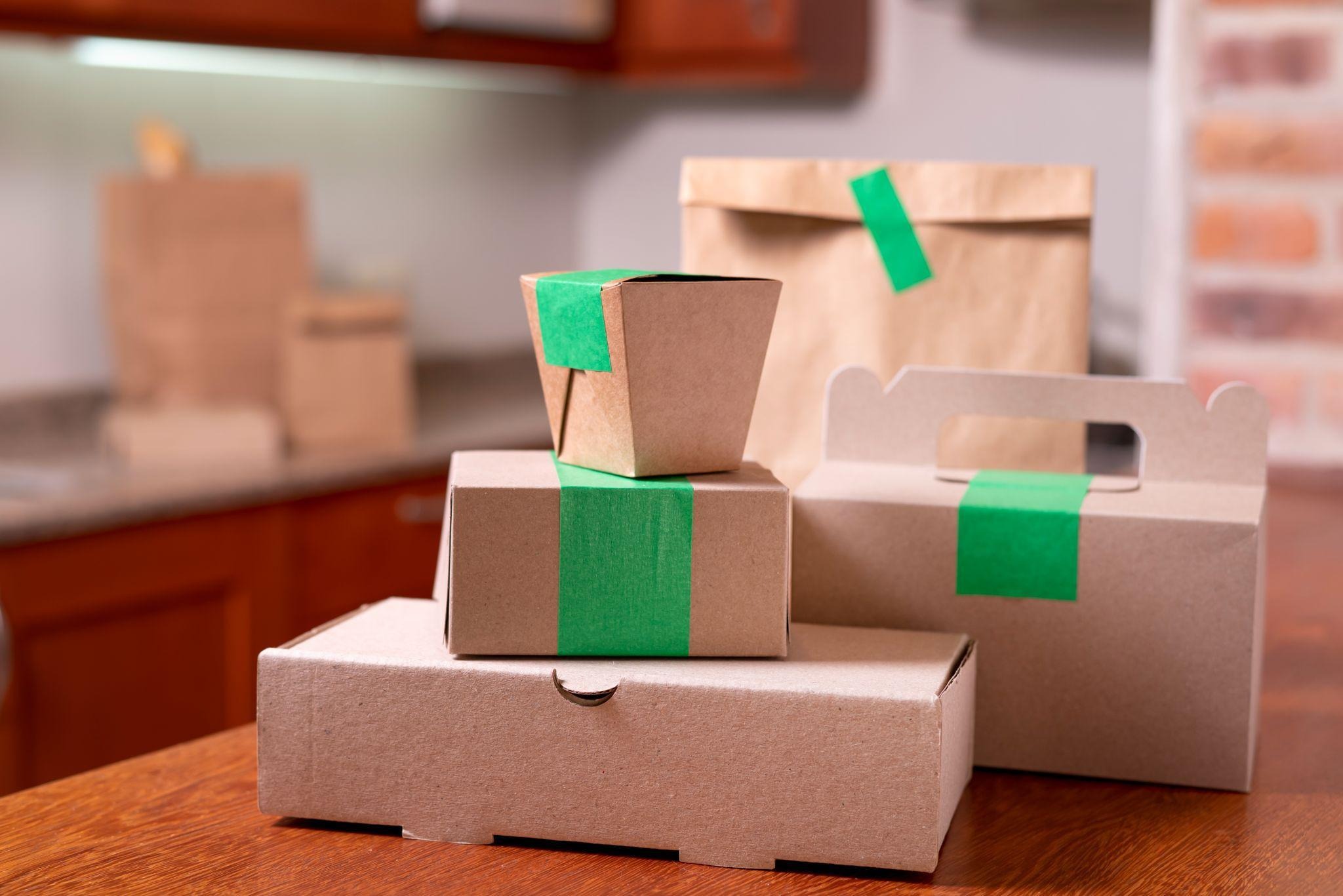

Fragile products demand thoughtful handling and advanced packaging practices to ensure they reach customers safely. Businesses handling delicate items rely on specialized packaging solutions to safeguard products against shocks, pressure, and environmental conditions during transit. Effective packaging strategies combine structural strength, protective materials, and smart design techniques to minimize damage and maintain product integrity across distribution networks.
1. Protective Layering for Enhanced Shock Absorption
Protective layering is a critical method used to shield fragile goods from external pressure and impact. Multiple layers of cushioning materials are carefully arranged to absorb shocks that occur during transportation or storage.
- Cushioning Materials Reduce Vibration Damage
Soft protective materials such as foam inserts, air cushions, and molded pulp help absorb vibrations that often occur during shipping. These materials create a buffer around fragile products, reducing the risk of cracks, scratches, or internal damage. - Layered Protection Improves Structural Stability
Combining multiple layers of protection strengthens the overall packaging design. Each layer contributes to minimizing pressure from external forces, allowing the package to maintain its shape and protect the product inside. - Internal Partitions Prevent Product Movement
Packaging that includes internal dividers or partitions keeps delicate items separated from each other. By limiting internal movement, the packaging reduces the chances of collision between products.
2. Structural Design That Enhances Packaging Strength
A well-engineered packaging structure plays a major role in protecting delicate products. Strong external packaging materials combined with strategic design features help maintain the integrity of fragile goods throughout the supply chain.
- Reinforced Box Construction Increases Durability
Strong packaging structures help prevent deformation when packages are stacked or subjected to pressure. Reinforced corners and thicker board materials ensure the packaging maintains its shape and protects the contents inside from compression damage during transit. - Secure Closures Maintain Product Stability
Reliable sealing methods such as adhesive tapes, locking flaps, or tamper-resistant closures help maintain packaging integrity. These closure systems prevent accidental openings and keep the product safely enclosed throughout handling and shipping. - Stable Packaging Structure Improves Load Distribution
Effective packaging designs distribute weight evenly across the surface of the box. Balanced load distribution reduces stress points that might otherwise damage fragile items. This method enhances the safety of products during long-distance shipping.
3. Material Innovation for Safer Product Transportation
Innovative packaging materials provide enhanced protection while maintaining efficiency in logistics operations. Modern materials are designed to be both durable and lightweight, allowing fragile goods to travel safely without unnecessarily increasing shipping costs.
- Advanced Cushioning Materials Enhance Protection
New materials such as engineered foam and molded fiber provide strong shock absorption while remaining lightweight. These materials protect fragile items from sudden impacts and maintain their position within the package during transportation. - Eco-Friendly Materials Support Sustainability Goals
Businesses increasingly adopt packaging materials that balance durability with environmental responsibility. Recyclable and biodegradable materials help protect fragile goods while supporting sustainable packaging practices that align with corporate environmental commitments. - High-Performance Packaging Boards Improve Durability
Strong packaging boards are engineered to resist tearing, bending, and compression. These materials maintain structural integrity even under challenging shipping conditions, providing dependable protection for delicate products.
4. Smart Packaging Configurations for Delicate Items
Thoughtful packaging configurations improve the safety and efficiency of shipping fragile goods. Packaging structures designed specifically for delicate products help minimize damage while maintaining organized product placement.
- Custom Inserts Ensure Precise Product Placement
Carefully designed inserts hold fragile items securely in place, preventing unnecessary movement during transportation. These inserts are shaped to match the product, creating a protective environment that reduces the likelihood of impact damage. - Compartmentalized Packaging Improves Organization
Packaging systems with dedicated compartments allow multiple fragile items to be transported safely within a single package. By separating products with protective barriers, the risk of internal collisions is significantly reduced. - Strategic Spacing Enhances Shock Resistance
Proper spacing between the product and the outer packaging wall provides additional cushioning against impacts. This design technique ensures that external shocks are absorbed before reaching the fragile item.
5. Handling and Labeling Practices That Prevent Damage
Effective packaging extends beyond materials and design; proper labeling and handling instructions also play a significant role in protecting delicate products. Clear guidance ensures that fragile packages receive careful treatment throughout logistics operations.
- Fragile Labeling Alerts Handlers to Product Sensitivity
Visible labeling helps logistics personnel recognize that the package contains delicate goods. This awareness encourages more cautious handling during loading, unloading, and transportation, reducing the risk of accidental damage. - Directional Indicators Guide Correct Positioning
Packaging labels indicating correct orientation help maintain the intended position of fragile products during transit. Maintaining proper orientation prevents pressure from being applied to vulnerable parts of the product. - Handling Instructions Support Safe Logistics Practices
Clear instructions such as “handle with care” or “do not stack” provide important guidance for shipping and warehouse staff. These instructions contribute to safer transportation conditions for fragile items.
6. Industrial Packaging Systems for Complex Shipments
Large-scale shipping operations often require advanced packaging strategies designed to manage fragile goods across complex distribution networks. Many businesses rely on industrial packaging solutions to handle delicate items while maintaining efficiency in storage and transport.
- Heavy-Duty Packaging Materials Support Long-Distance Shipping
Strong packaging systems are designed to endure the pressures of long transportation routes. Durable materials help prevent structural damage during repeated handling and movement across distribution centers. - Bulk Shipment Protection Reduces Damage Risks
Industrial packaging systems often include palletized packaging and reinforced containers that stabilize large shipments. These systems ensure that fragile goods remain protected even when transported in large volumes. - Efficient Packaging Designs Improve Logistics Management
Well-structured industrial packaging allows fragile items to be stored and transported efficiently without compromising safety. Organized packaging layouts simplify handling and improve operational efficiency.
Conclusion
Protecting fragile goods requires a careful balance of design, material selection, and handling practices. Innovative packaging techniques help businesses safeguard delicate products while maintaining efficiency across supply chains. Reliable packaging structures, protective cushioning, and strategic configurations all contribute to safer transportation outcomes.
Businesses seeking dependable packaging support often turn to trusted providers for advanced solutions, and industry leaders such as Hotpack Global continue to play a role in offering reliable packaging products that support safe logistics operations. Companies also explore convenient purchasing channels, including the option to buy paper bags online, which simplifies sourcing sustainable packaging materials while maintaining product protection and operational efficiency.