



Events are no longer just formal gatherings with speeches and presentations. They have evolved into immersive experiences where brands communicate their identity, values, and vision in a highly engaging way.
From product launches to leadership summits, every interaction at an event shapes how attendees perceive a company. This shift has made strategic planning more important than ever, as businesses aim to create moments that resonate beyond the venue.
The transformation of business events has been driven by changing audience expectations. Attendees now look for meaningful engagement, interactive elements, and seamless organization. A well-executed event not only informs but also inspires, connects, and builds trust. This is where the role of a corporate event company becomes essential, as it ensures every element works together to create a cohesive and impactful experience.
Understanding the Purpose Behind Every Event
Every successful event begins with a clear purpose. Whether it is to launch a new product, strengthen client relationships, or motivate employees, defining the objective sets the foundation for everything that follows. Without a well-defined goal, even the most visually impressive event can fail to deliver meaningful results.
Planning with intent allows organizers to design experiences that align with business objectives. For example, a networking event should prioritize interaction and conversation, while a conference might focus more on knowledge sharing and thought leadership. When purpose drives planning, every detail from the agenda to the venue becomes more meaningful and effective.
The Role of Strategic Planning in Event Success
Behind every seamless event lies meticulous planning. This involves careful coordination of logistics, timelines, budgets, and creative elements. Strategic planning ensures that nothing is left to chance and that every component contributes to the overall experience.
Working with a corporate event planning company in Dubai can significantly enhance this process, especially in a dynamic and competitive environment. Such expertise brings local insights, industry connections, and professional execution, allowing businesses to focus on their core objectives while experts handle the complexities of event management.
Creating Experiences That Engage and Inspire
An event should never feel like a routine gathering. It should tell a story, evoke emotions, and leave a lasting impression. This is achieved through thoughtful design and creative execution. From stage setups to lighting, every visual element plays a role in shaping the audience’s experience.
Interactive features such as live demonstrations, digital displays, and audience participation can transform passive attendees into active participants. When people feel involved, they are more likely to remember the event and connect with the brand behind it. Engagement is not just about entertainment; it is about creating meaningful connections that last beyond the event itself.
Technology as a Game-Changer in Event Management
Technology has become a cornerstone of modern event planning. It enables organizers to deliver seamless experiences, even in complex scenarios. From virtual platforms to advanced audio-visual systems, technology enhances both the reach and impact of events.
Hybrid events, which combine in-person and virtual participation, have gained significant popularity. They allow businesses to connect with a global audience while maintaining the energy of a physical gathering. Additionally, tools like event apps, real-time analytics, and digital registration systems simplify processes and improve attendee engagement.
Incorporating technology is not just about staying current; it is about enhancing the overall experience. When used effectively, it can elevate an event from ordinary to extraordinary.
The Importance of Venue Selection and Design
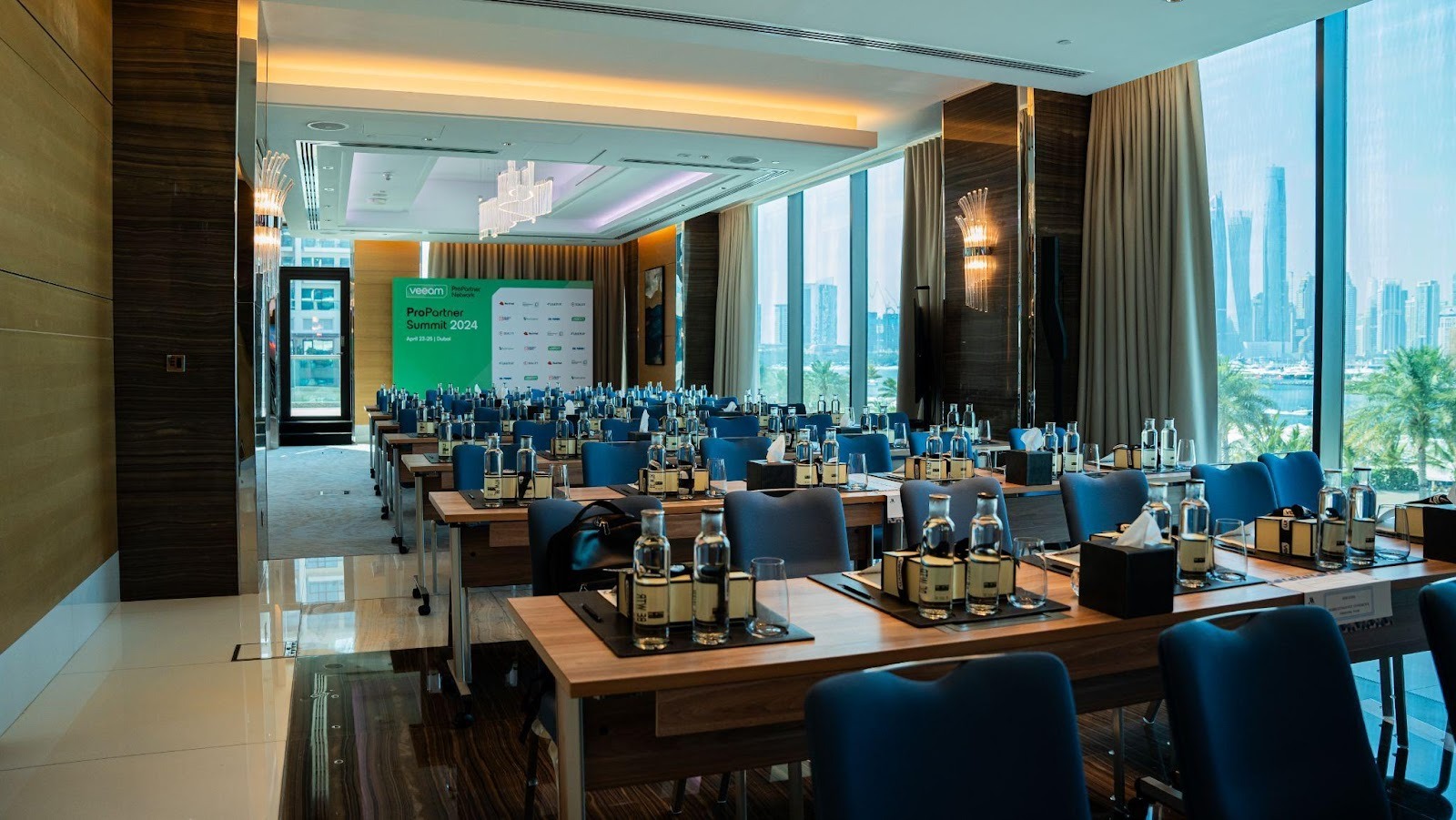
The venue is more than just a location; it is a critical element that influences the entire atmosphere of an event. Choosing the right space involves considering factors such as accessibility, capacity, and overall ambiance. A well-selected venue complements the event’s purpose and enhances the experience for attendees.
Designing the space is equally important. Layout, decor, and branding elements should work together to create a cohesive environment. Whether it is a formal conference or a creative product launch, the setting should reflect the brand’s identity and message. Attention to detail in this area can significantly impact how attendees perceive the event.
Managing Logistics with Precision
Logistics are the backbone of any successful event. From transportation and accommodation to scheduling and coordination, every detail must be carefully managed. Even minor oversights can disrupt the flow of an event and affect the overall experience.
Professional planning ensures that all logistical aspects are handled efficiently. This includes contingency planning to address unexpected challenges. When logistics are managed seamlessly, attendees can focus on the experience without distractions, creating a positive and memorable impression.
Building Strong Brand Connections Through Events
Events provide a unique opportunity for businesses to connect with their audience on a personal level. Unlike digital interactions, face-to-face engagement allows for genuine conversations and deeper connections. This makes events a powerful tool for building trust and loyalty.
A well-executed event reflects a brand’s professionalism and attention to detail. It communicates values, showcases capabilities, and creates a sense of credibility. When attendees leave with a positive impression, they are more likely to engage with the brand in the future.
Adapting to Changing Trends and Expectations
The world of event management is constantly evolving. New trends, technologies, and audience preferences continue to shape the industry. Staying ahead requires a willingness to adapt and innovate.
Sustainability, for example, has become an important consideration in event planning. Businesses are increasingly looking for ways to reduce their environmental impact, from eco-friendly materials to digital solutions. Similarly, personalization is gaining importance, with events tailored to meet the specific needs and preferences of attendees.
Adapting to these changes ensures that events remain relevant and impactful in a competitive landscape.
Conclusion
Creating impactful business events is both an art and a science. It requires careful planning, creative thinking, and flawless execution to deliver experiences that resonate with audiences. From defining objectives to leveraging technology and managing logistics, every step plays a crucial role in shaping the final outcome.
For organizations looking to elevate their event strategies, partnering with an experienced corporate event company can make all the difference. Companies like Markable bring together expertise, innovation, and a deep understanding of event dynamics to create experiences that truly stand out.