

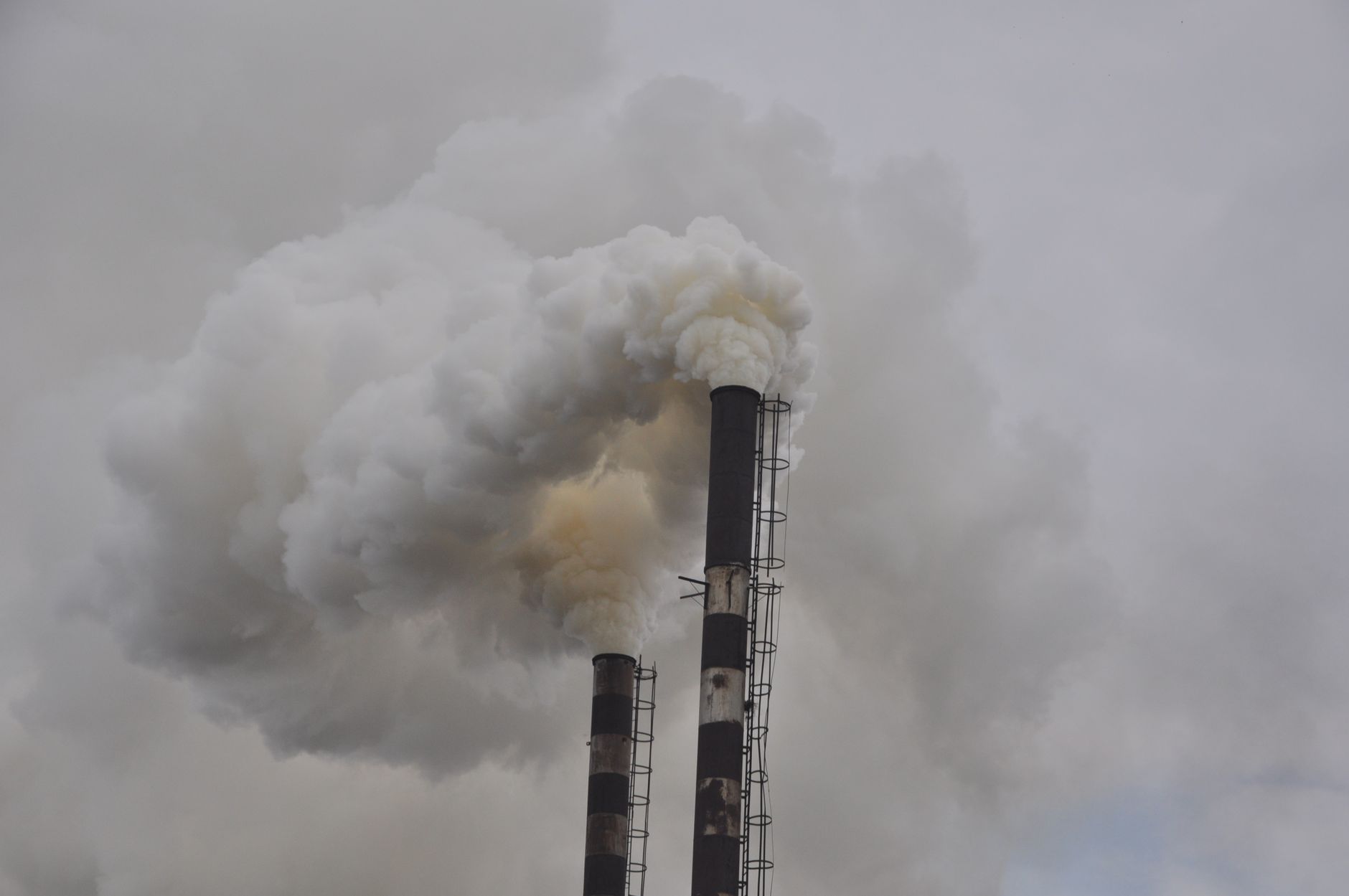

pollution health insurance claims have surged recently, with a staggering increase of 4.3 times in just three years. This alarming trend highlights the growing health risks associated with environmental pollution for working professionals.
Understanding the Surge in Claims
In recent years, there has been a notable increase in pollution health insurance claims, with statistics revealing a staggering surge of 4.3 times in just three years. This rise can be attributed to a growing awareness of the health risks associated with pollution, particularly among working professionals.
According to recent reports, many individuals are experiencing health issues linked to environmental factors, leading to a spike in insurance claims related to respiratory diseases, cardiovascular problems, and other pollution-related ailments. The following factors contribute significantly to this trend:
- Increased Awareness: As public knowledge of pollution’s adverse effects grows, more people are seeking medical attention and filing claims.
- Urbanization: Rapid urban development has led to higher pollution levels, particularly in densely populated areas.
- Work Environment: Many professionals are now exposed to pollutants in their workplaces, further increasing the incidence of health-related issues.
- Climate Change: The ongoing impacts of climate change are exacerbating health risks, prompting more individuals to turn to their insurance providers for assistance.
As this trend continues, it highlights the urgent need for better pollution control measures and health awareness initiatives.
Impact of Pollution on Health
The detrimental effects of pollution on public health have become increasingly evident, leading to a significant rise in pollution health insurance claims. Individuals exposed to high levels of pollutants often face a range of health issues, which can result in prolonged medical treatments and increased healthcare costs.
Research has identified several key health problems associated with pollution, including:
- Respiratory diseases: Air pollution is a major contributor to conditions such as asthma and chronic obstructive pulmonary disease (COPD).
- Cardiovascular issues: Exposure to pollutants can lead to heart attacks, strokes, and other serious cardiovascular conditions.
- Cancer: Certain pollutants are known carcinogens, increasing the risk of various types of cancer over time.
- Neurological effects: Emerging studies suggest a link between pollution exposure and neurological disorders, including cognitive decline and developmental disabilities in children.
The rise in pollution health insurance claims underscores the urgent need for comprehensive health policies that address the risks associated with pollution exposure. As working professionals represent a significant portion of these claims, it is crucial for employers and insurers to understand the implications of pollution on employee health and well-being.
Insurance Coverage for Pollution-Related Illnesses
As pollution levels continue to rise, health insurance companies are witnessing a significant increase in pollution health insurance claims. This surge in claims has prompted many insurers to reevaluate their coverage policies regarding pollution-related illnesses. The risks associated with long-term exposure to polluted environments are becoming more evident, leading to a growing number of individuals seeking medical attention for conditions linked to air and water pollution.
Many health insurance policies now include specific clauses addressing pollution-related illnesses, although the extent of coverage can vary widely. Some of the common conditions that may be covered include:
- Respiratory diseases: Chronic bronchitis, asthma, and other lung conditions exacerbated by polluted air.
- Cardiovascular issues: Increased risk of heart attacks and strokes due to environmental toxins.
- Cancers: Certain cancers have been linked to exposure to hazardous pollutants.
While coverage is improving, policyholders must read the fine print to understand what is included. Many insurance providers require documentation of the pollution’s impact on health, which can complicate the claims process. As awareness of pollution’s effects grows, it is crucial for consumers to advocate for comprehensive insurance coverage that addresses the risks associated with environmental health hazards.
Trends in Health Insurance Claims
Recent data indicates a significant rise in health insurance claims related to pollution, with a striking 4.3 times increase observed over the last three years. This surge reflects growing awareness and recognition of the health risks associated with environmental factors. Working professionals, particularly those in urban settings, are increasingly filing pollution health insurance claims as they experience various health complications linked to air and water quality.
Several trends have emerged from this rise in claims:
- Age Demographics: Younger adults, especially those aged 25-35, are reporting higher incidences of respiratory and cardiovascular issues.
- Geographic Concentration: Urban areas, where pollution levels are typically higher, see a disproportionate number of claims compared to rural regions.
- Occupational Hazards: Certain professions, such as construction and manufacturing, are witnessing increased claims due to exposure to hazardous materials.
- Preventive Measures: Insurers are beginning to offer more comprehensive coverage options that include pollution-related health assessments.
As these trends continue, policymakers and insurers may need to adapt their strategies to address the evolving landscape of pollution health insurance claims and their implications for public health.
Why Professionals Are Affected More
The recent surge in pollution health insurance claims highlights a concerning trend, particularly among working professionals. This demographic is uniquely vulnerable due to several factors that increase their exposure to pollutants.
- Urban Living: Many professionals reside in densely populated cities where pollution levels are significantly higher. Daily commuting through traffic-congested areas contributes to their exposure to harmful emissions.
- Workplace Environments: Certain industries, such as manufacturing and construction, often expose employees to hazardous materials and pollutants, further elevating health risks.
- Stress and Lifestyle: Working professionals often lead high-stress lives, which can compromise their immune systems and make them more susceptible to pollution-related illnesses.
- Limited Time for Health Maintenance: With demanding schedules, professionals may neglect regular health check-ups, delaying the diagnosis of pollution-induced conditions.
As a result, the impact of pollution is not only reflected in individual health but also in the rising number of pollution health insurance claims. Understanding the connections between occupation, environment, and health risks is critical for addressing the challenges faced by this group. Increased awareness can lead to better preventive measures and health policies aimed at safeguarding working professionals against pollution-related health issues.
Government Regulations on Pollution
Government regulations play a crucial role in mitigating pollution and its associated health risks. In recent years, various legislative measures have been enacted to address the escalating problem of pollution, which has a direct impact on health insurance claims.
Key regulations include:
- Emission Standards: These regulations limit the amount of pollutants that industries can release into the air and water, directly affecting community health.
- Environmental Protection Agency (EPA) Initiatives: The EPA has implemented programs aimed at reducing pollution levels and promoting public health, which in turn influences the number of pollution health insurance claims.
- Public Awareness Campaigns: Governments often launch campaigns to educate citizens on pollution risks and preventative measures, thereby reducing potential health issues.
- Support for Clean Technologies: Incentives for businesses to adopt cleaner technologies can lower emissions, ultimately benefiting public health and reducing insurance claims related to pollution.
Despite these efforts, the rise in pollution-linked health insurance claims reflects the ongoing challenges faced by both regulators and the public. As pollution continues to affect health, understanding the implications of these regulations becomes increasingly vital.
Insurance Companies Respond to Claims
In response to the alarming rise in pollution health insurance claims, insurance companies are reassessing their policies and coverage options. The recent surge, noted for its 4.3 times increase in just three years, has prompted insurers to adapt to the evolving landscape of public health and environmental risks.
Many companies are now prioritizing comprehensive assessments of environmental factors when underwriting new policies. Several key strategies have emerged:
- Enhanced Risk Assessment: Insurers are implementing more rigorous evaluations of pollution levels in various regions, especially those known for industrial activity.
- Customized Coverage Options: Tailored health insurance plans are being developed to specifically address pollution-related illnesses, providing additional benefits for affected individuals.
- Public Awareness Campaigns: Insurers are actively educating policyholders about the risks associated with pollution and the importance of preventive health measures.
- Collaboration with Health Authorities: Many companies are partnering with health organizations to better understand the impact of pollution on health, facilitating improved claims processing.
This proactive approach indicates that insurance companies recognize the need to adapt to the increasing number of pollution health insurance claims, ensuring that they remain responsive to the health challenges faced by their customers.
Future of Pollution Health Insurance
The future of pollution health insurance claims is poised for significant changes as awareness of environmental health risks continues to grow. With recent data indicating a 4.3 times increase in claims linked to pollution within just three years, both insurers and policyholders must adapt to this evolving landscape.
As pollution levels rise and more individuals experience related health issues, the demand for comprehensive coverage will likely increase. Insurers may introduce specialized policies that specifically address pollution-related illnesses, ensuring that coverage aligns with the needs of affected populations.
Moreover, the role of technology in monitoring environmental hazards is becoming crucial. Innovative tools and data analytics can help insurers assess risk more accurately and streamline the claims process. This enhanced capability could potentially lead to more tailored health insurance plans that cater to individuals most at risk from pollution.
As working professionals account for a significant portion of these claims, employers might also start to advocate for better health insurance options that cover pollution-related health concerns. This shift could further emphasize the importance of incorporating environmental factors into health insurance policies.
Ultimately, the intersection of pollution and health insurance will require collaborative efforts between insurers, healthcare providers, and lawmakers to ensure that the needs of affected individuals are met efficiently and effectively.
As the prevalence of environmental pollutants increases, understanding the implications of pollution health insurance claims becomes crucial for affected individuals. Many are left questioning the validity and coverage of their pollution health insurance claims in the face of rising health concerns.
Photo by SANDEEP KUMAR SHARMA on Pexels
References
You might also like
KYC tax-reporting systems: Clear steps to compliance · School Artificial Intelligence Controls: What’s the Right Approach? · Co-Diagnostics Q3 earnings: Worst performance despite proven growth